
Introduction: The High Cost of Being Cheap
Every spring, millions of homeowners walk into big-box retailers and buy $300 "patio sets." Usually, by the following spring, the cushions are moldy, the "stainless steel" is pitted with rust, and the wood is splintering. This phenomenon is known as the poverty tax on furniture—buying cheap replacements repeatedly costs more than buying a quality item once.
The global high-end outdoor furniture market is projected to reach nearly $12.5 billion by 2033, growing at a rate of 5.8% annually. This isn't just because the rich have money to burn; it is a reflection of a fundamental shift in how we view our homes. Post-pandemic, the outdoor space is no longer just a patio; it is an "outdoor room," a home office, and an entertainment hub.
To answer if it is "worth it," we have to look at three specific metrics: Longevity (Lifespan), Maintenance (Time/Money), and Aesthetics (Pride of place).
Part 1: The Case for Outdoor Stainless Steel Furniture
When people hear "stainless steel," they often think of their kitchen refrigerator or a cheap grill that rusted after two years. However, marine-grade stainless steel used in high-end outdoor furniture is a completely different beast.
The Science: 304 vs. 316 Grade
The "worth" of stainless steel furniture lies in a microscopic element: Molybdenum.
Cheap Steel (18/8 or 304): Contains chromium and nickel. It resists rust, but chlorine (salt) eats it alive.
Expensive Steel (316 or 316L): Contains 2-3% Molybdenum. This additive makes it resistant to chlorides and salt. If you live within 5 miles of the coast, 304 steel will fail; 316 steel is non-negotiable.
Pros of Investing in Stainless Steel
The "Forever" Frame: Unlike wood that can rot or aluminum that can dent, solid gauge 316 stainless steel is structurally permanent. It will not crack, warp, or snap under weight.
Low Maintenance (The Hose-Off Factor): This is the biggest selling point for busy families. Teak requires oiling (if you want to keep the color) or chemical cleaning. Stainless steel requires soap, water, and a cloth. It is hypoallergenic and does not harbor mold or mildew beneath the surface.
Sleek Modern Aesthetics: The minimalist, industrial look is highly sought after. High-end brands often pair stainless frames with synthetic rope (HDPE) or high-performance Sunbrella fabric, creating a look that transitions seamlessly from indoor to outdoor.
Sustainability: Stainless steel is 100% recyclable. When you buy expensive steel, you are buying a raw material that retains value, unlike plastic wicker which becomes landfill waste.
Cons and Hidden Costs
The "Oven" Effect: Solid steel gets hot. In direct desert sunlight (Arizona, Nevada), the surface temperature of stainless steel can become high enough to cause burns. This makes it less ideal for full-sun, high-heat environments unless shaded.
Fingerprints and Smudges: While easy to clean, it shows every handprint.
Construction Quality Variability: Expensive steel furniture uses robotic welding and milled joints. Cheap "stainless look" furniture uses bolts and hollow tubing that fills with water and bursts when frozen.
Part 2: The Case for Outdoor Teak Furniture
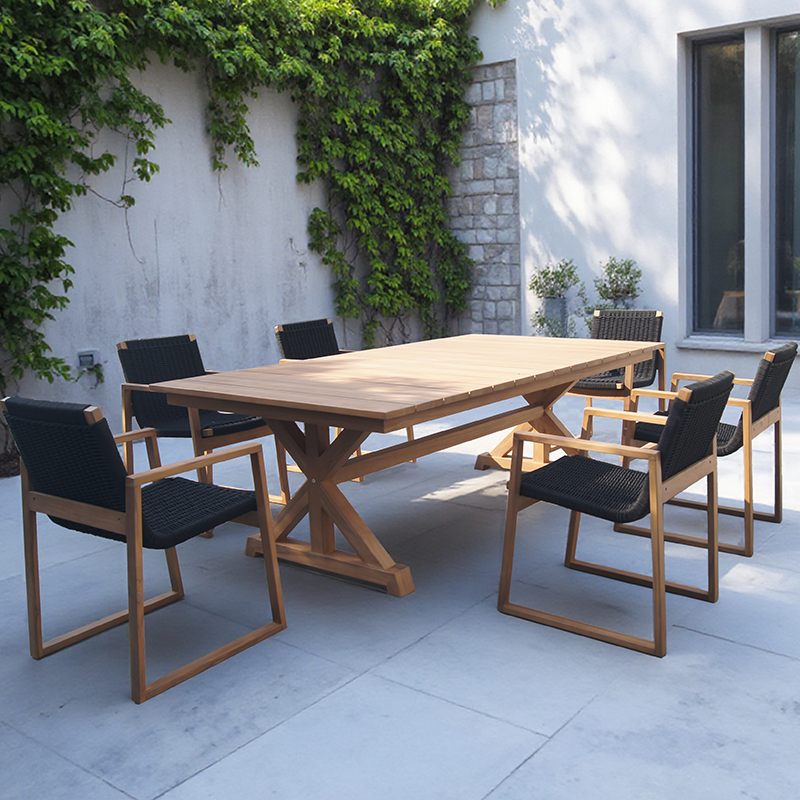
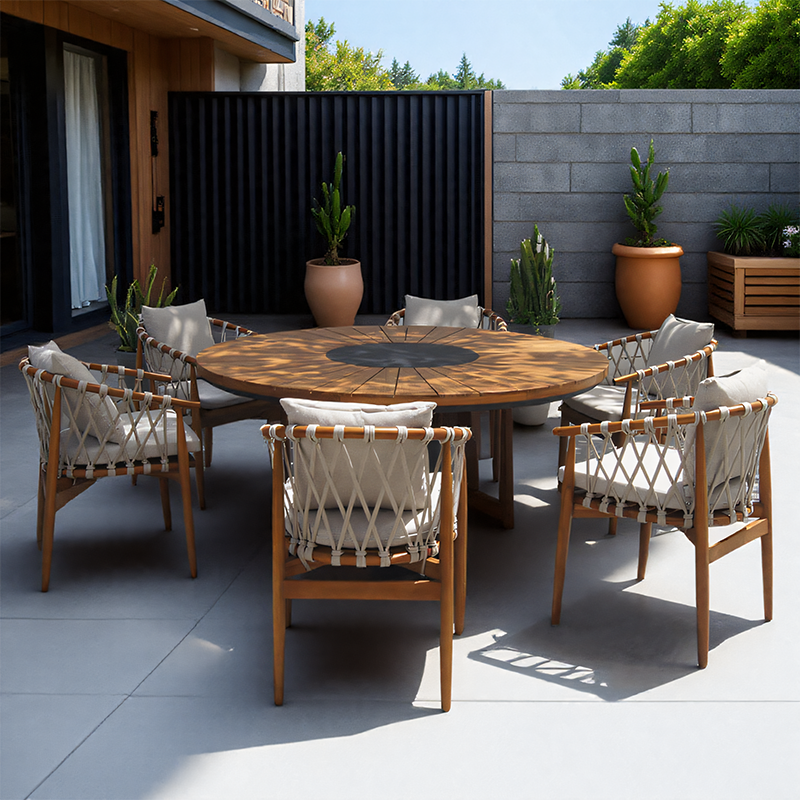
Teak has been the gold standard for outdoor furniture for centuries. They used it on the decks of ships crossing the Atlantic, and the same wood is still sought after today.
The Science: Natural Oils and Silica
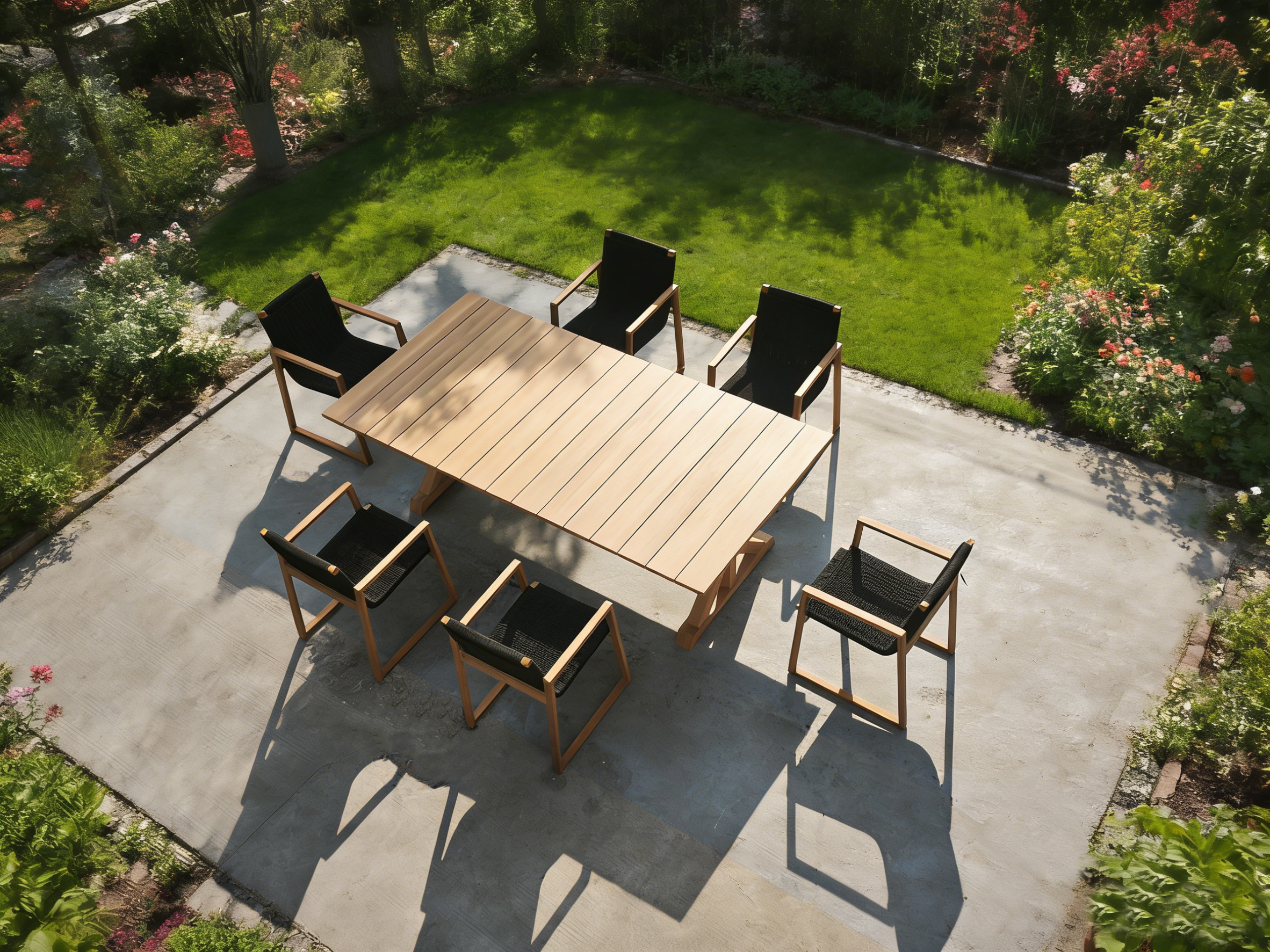
Teak (specifically Tectona grandis) is unique because it contains high levels of rubber and natural oils. Unlike cedar or pine, which absorb water and rot, teak repels water. It also contains silica (essentially sand), which makes it naturally slip-resistant and durable against wear.
Pros of Investing in Teak
Unmatched Longevity: Grade A Teak (old-growth heartwood) can last 50 to 70 years outdoors with minimal intervention. You can hand it down to your children.
Thermal Comfort: Unlike steel or glass, teak does not absorb extreme heat. On a 100-degree day, teak remains cool to the touch. In the morning dew, it provides natural grip. It is arguably the most physically comfortable material for bare skin.
The Silver-Grey Aesthetic: Many people buy teak for the warm honey-brown color, but high-end buyers often prefer the "weathered" look. If left untreated, teak naturally fades to a distinguished silver-grey patina. This is not damage; it is a surface change. The wood remains structurally perfect.
Workability: Because it is a natural product, scratches and dings are easily repaired. A light sanding restores the surface immediately.
Cons and Hidden Costs
The "Green" Market Risk: High-end teak is expensive because it is scarce. Much of the market is flooded with "Grade B" or "plantation" teak. Young teak (harvested at 15 years instead of 50) has fewer oils and is less durable. Expensive furniture is worth it only if it is Grade A heartwood.
Staining: While water-resistant, teak is porous. If you leave a greasy plate or a glass of red wine on unfinished teak, it will leave a stain that is difficult to remove.
Initial "Oiling" Maintenance: While you don't need to oil teak, if you want to keep the "honey" color, you must oil it twice a year. If you don't, it turns grey. Once it turns grey, going back to honey requires intense sanding.
Part 3: Head-to-Head Comparison (Stainless Steel vs. Teak)
To determine "worth," you must map your environment to the material.
| Feature | High-End Stainless Steel (316 Grade) | High-End Teak (Grade A) |
|---|---|---|
| Lifespan | 25+ Years (Indefinite frame) | 50+ Years (Can outlive owner) |
| Maintenance | Very Low (Soap & water) | Moderate (Annual cleaning; optional oiling) |
| Heat Resistance | Poor (Gets very hot in sun) | Excellent (Stays cool) |
| Coastal Survival | Excellent (316 Grade only) | Excellent (Salt air doesn't hurt it) |
| Structural Failure | Welds break (rare) / Dents | Joints loosen / Splits (if dried out) |
| Aging | Scratches / Patina of use | Turns Silver/Grey |
| Weight | Heavy | Heavy |
| Eco-Profile | 100% Recyclable | Sustainable plantations (FSC certified) |
The "Hybrid" Advantage
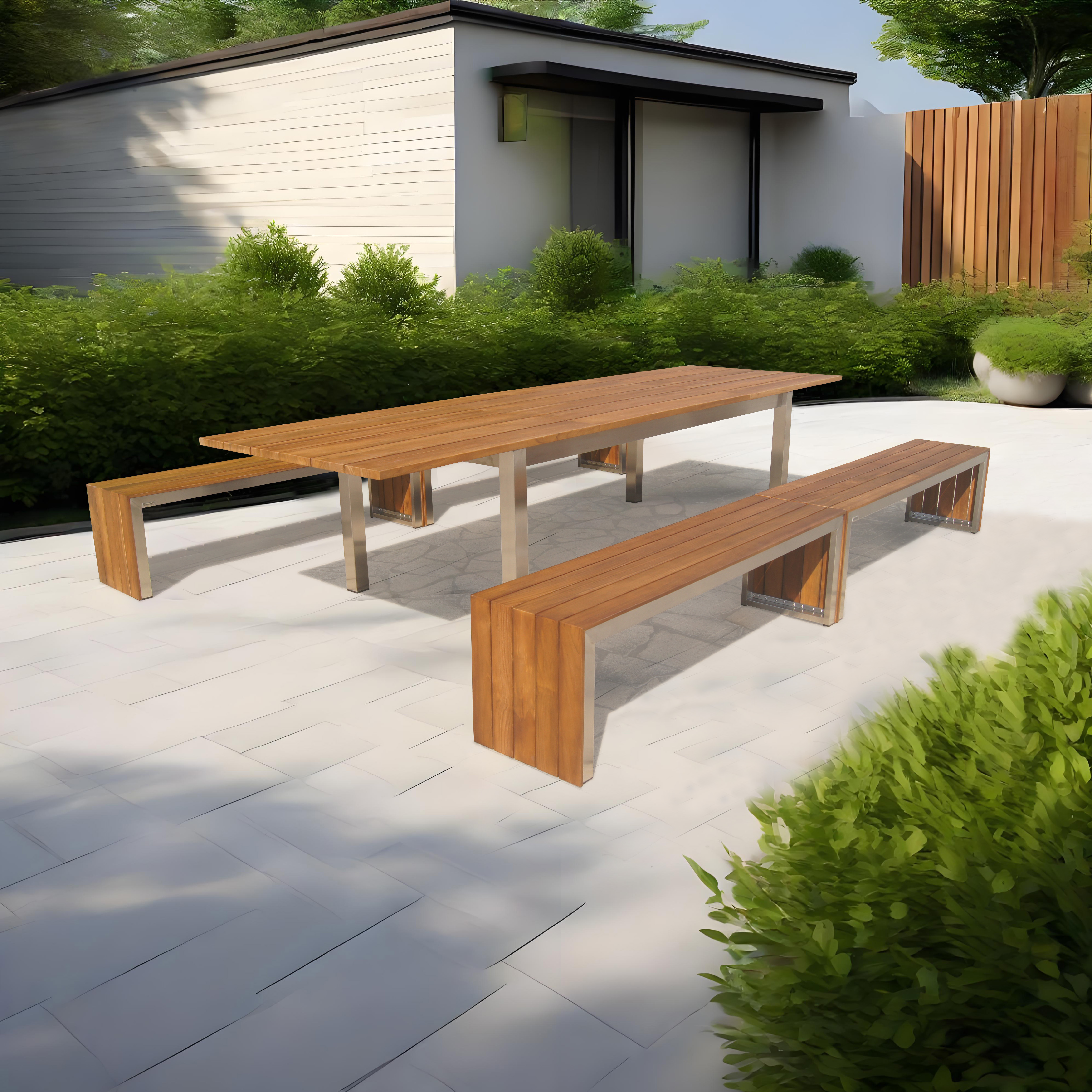
Currently, the apex of the luxury market is Teak + Stainless Steel combinations.
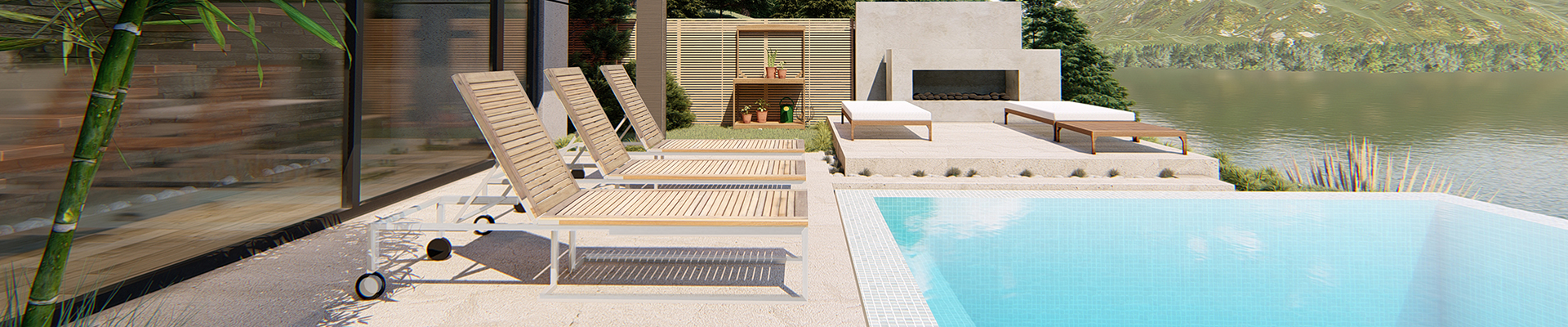
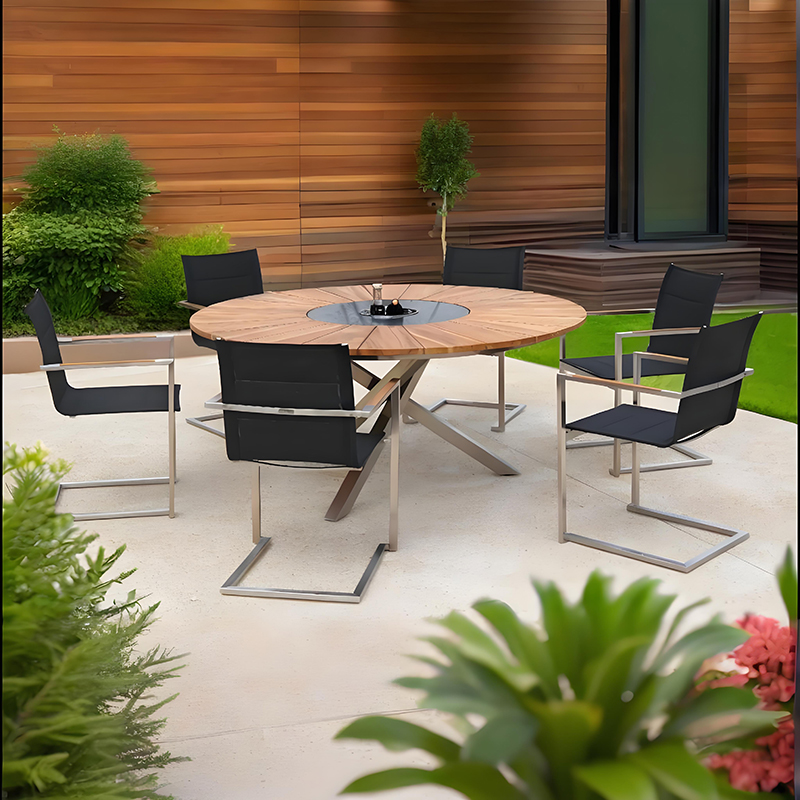
Brands like Mamagreen, Gloster, and Royal Botania dominate this space. These pieces use a stainless steel frame (for structural rigidity and rust protection) with teak slats (for the seating surface and armrests).
Why this is "worth it": You get the durability of steel with the thermal comfort of wood. The steel protects the wood from warping; the wood protects the user from the steel's heat. This hybrid is the ultimate solution for extreme climates (coastal salt + summer sun).
Part 4: The Economics of "Worth" (Total Cost of Ownership)
Let's run the numbers over a 15-year period. This is where the "expensive" choice wins.
Scenario A: The "Cheap" Route (Big Box Store)
Purchase: Aluminum frame with painted wicker + glass top. Cost: $400
Year 2: Wicker is peeling. Paint is chipping. Rust spots on the frame. Cushions are faded and moldy.
Year 3: The set is thrown out on bulk trash day. Cost to replace: $450 (inflation).
Year 6: The new set breaks. Replace again. Cost: $500.
Year 10: You hate your patio. Total Spent: ~$1,350. Time spent assembling/trashing: High. Frustration: Maximum.
Scenario B: Expensive Stainless Steel (e.g., $4,000 set)
Purchase: 316-grade stainless steel frame with high-density cushions. Cost: $4,000
Year 2-15: You replace the cushion fabric once ($500). You wash the frame with a hose.
Year 15: The set looks vintage but solid. You sell it on Facebook Marketplace for $1,000.
Net Cost over 15 years: $3,500.
Scenario C: Expensive Teak (e.g., $5,000 set)
Purchase: Solid Grade A Teak dining set. Cost: $5,000
Year 2-15: You buy a power washer (or a scrub brush) and clean it annually. You let it turn silver. No structural issues.
Year 15: It looks like a historic plantation piece. It is worth $2,500 to a vintage buyer.
Net Cost over 15 years: $2,500.
The Verdict: The cheap set cost you $1,350 over 10 years and left you with nothing. The expensive set cost you slightly more upfront but left you with an asset. The teak set was "free" relative to the cheap set after 15 years because you recoup the value in resale.
Part 5: Specific Climate Recommendations
The "worth" of your purchase is 100% dependent on your zip code.
For Coastal/Marine Environments (High Salt, High Humidity)
Winner: Marine-Grade Stainless Steel (316) or Teak.
Why: Salt air is the grim reaper of outdoor furniture. It corrodes aluminum, turns cheap steel to dust, and destroys synthetic wicker fibers.
Tip: Look for "fully welded" frames. Bolted joints allow salt moisture to sit in the crevices and corrode from the inside out.
For Desert/Southwest Environments (Intense UV, Heat, Dust)
Winner: Teak.
Why: Stainless steel becomes a branding iron in the sun. Teak remains cool. The UV rays will eventually break down synthetic fabrics and ropes, but the teak wood simply changes color. It does not become brittle.
Tip: Use umbrella coverage for your cushions, but let the teak frame sit in the sun.
For Four-Season / Freeze-Thaw Climates (Snow, Rain, Ice)
Winner: Teak (with stainless steel hardware).
Why: Water expands when it freezes. Hollow aluminum or steel tubing can fill with condensation, freeze, and burst the seam. Teak is "self-draining" and flexible enough to handle expansion.
Warning: Bring cushions inside during winter. Frozen cushions crack.
Part 6: When Expensive is NOT Worth It
There is a nuance here. "Expensive" does not automatically equal "Quality." You should avoid high-end purchases in these scenarios:
You move frequently: If you are a renter or plan to move in 2 years, moving heavy teak or steel furniture costs a fortune. Stick with mid-range aluminum.
The "Designer" Markup: Some luxury brands charge 300% margins for a specific colorway that will be out of fashion in 3 years. Buy timeless shapes (simple rectangles, clean lines), not trendy "statement" pieces.
Poor Hardware: If the expensive furniture uses stainless steel frames but carbon steel screws, it will bleed rust stains onto your deck. The hardware must match the frame.
Part 7: The Psychological Shift (The Outer Example)
To truly understand if it is worth it, consider the business model of Outer, a brand famous for a $6,000 outdoor sofa. Their founder notes that the cheap market focuses on "fast fashion" for the garden—changing colors and styles yearly. The expensive market focuses on "problem-solving."
Their expensive sofa has a built-in "rain cover" that stores inside the armrest, solving the issue of wet cushions. It uses a "lattice back" that doesn't trap dirt.
Is a $6,000 sofa worth it? Only if the $300 sofa gets rained on, ruins your evening, and gets thrown away every six months. The expensive sofa saves you time. You don't run outside to bring cushions in. You don't scrub mildew. If you value your weekend time at $50/hour, the expensive sofa pays for itself in a single season of "not working."
Conclusion: The Final Calculation
So, is it worth it to buy expensive outdoor furniture?
Yes, but only if you buy the right expensive material for your life.
Buy the 316 Stainless Steel if you want a "set it and forget it" solution, you live near the ocean, or you love modern industrial design. Just remember to shade it from direct sun if you sit on it bare-legged.
Buy the Grade A Teak if you value natural beauty, tactile comfort (no heat), longevity, and resale value. You must accept that it will either require annual oiling or you must fall in love with the silver-grey patina.
The Bottom Line: The bitterness of poor quality lingers long after the sweetness of a low price is forgotten. Cheap outdoor furniture is disposable plastic posing as luxury. Expensive outdoor furniture is an heirloom. By investing in marine-grade 316 stainless steel or Grade A teak, you are not just buying a place to sit; you are buying the liberation of never having to worry about your furniture again. You are buying the ability to enjoy the storm from your covered porch, knowing the rain won't hurt a thing. That peace of mind is worth every penny.
