
no natural wood is 100% waterproof. If a natural material is left submerged in water indefinitely, it will eventually absorb moisture.
However, if you are looking for the wood that comes closest to being waterproof—specifically for withstanding years of rain, sun, and humidity without rotting—the answer is Teak.
Here is the distinction: Teak is not "waterproof" in the sense of being a plastic or a marine-grade sealant, but it is hydrophobic (water-repellant) . It is so highly resistant to water that it is arguably the gold standard for outdoor use, often mistaken for being impervious to moisture.
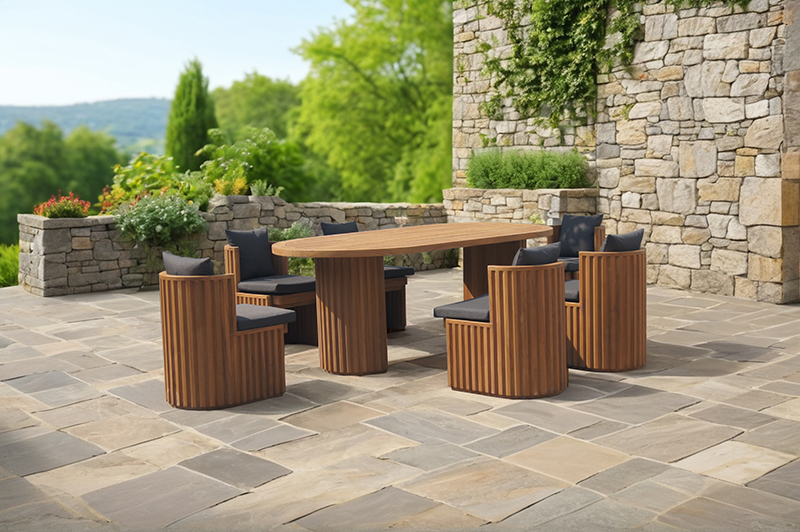
Why Teak is Nearly Waterproof
To understand why teak furniture survives outdoors while other woods warp and rot, you have to look at its biology. Most woods soak up water like a sponge because they act like a bundle of straws (capillary action). Teak, however, has three distinct defenses:
Natural Oils: Teak contains a dense concentration of natural rubber and resinous oils. These oils act as a built-in sealant. Water cannot penetrate the cellular structure because the pores are already filled with this hydrophobic residue.
Silica Content: Teak also has a high amount of silica (essentially sand-like particles). This makes the wood incredibly dense and physically difficult for water or rot fungi to invade.
Dense Grain: Unlike softwoods like pine (which have wide, open grains that act like gutters for water), teak has a tight, closed grain structure that blocks moisture entry.
Engineering "Waterproof" Joints (The Table & Chair Factor)
While the wood itself resists moisture, the construction of teak table and teak chair products determines if they hold water on the surface.
High-quality manufacturers often use specific engineering techniques to make the furniture functionally waterproof:
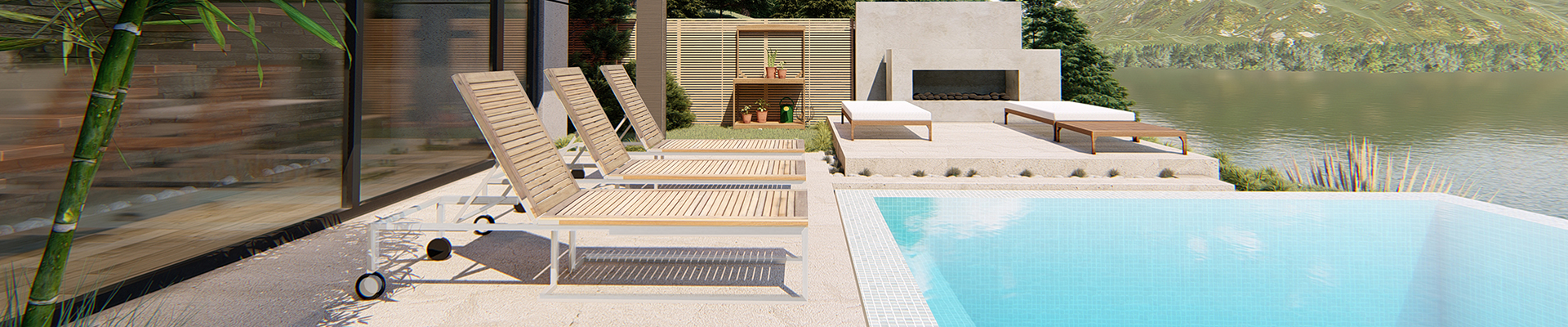
Slatted Tops: You will often notice that teak furniture tables have small gaps (slats) in the surface. This is not just for style; it is structural. It prevents water from pooling on the flat surface. Rainwater drains instantly through the slats, ensuring the wood dries off completely within hours of a storm.
Kiln-Drying: Premium teak wood furniture is often kiln-dried before assembly. This process removes excess moisture from the cells so that the wood is stable before it ever hits the rain. This minimizes cracking (checking) when the temperature changes.
Joinery: The best teak chair or dining sets use "mortise and tenon" joinery (a locking peg system) rather than screws or staples. Metal can rust and trap water; dry, tight wood joints do not.
The "Silver Patina" Effect
Here is a common concern: If teak is so waterproof, why does my teak table turn grey?
That grey color is a surface reaction, not rot or water damage. When teak wood furniture is exposed to UV rays and rain, the top layer of oil oxidizes. This creates a silver-grey patina. This patina is harmless. In fact, it acts as a further protective layer. While the surface changes color, the interior of the wood remains structurally sound and waterproof for decades.
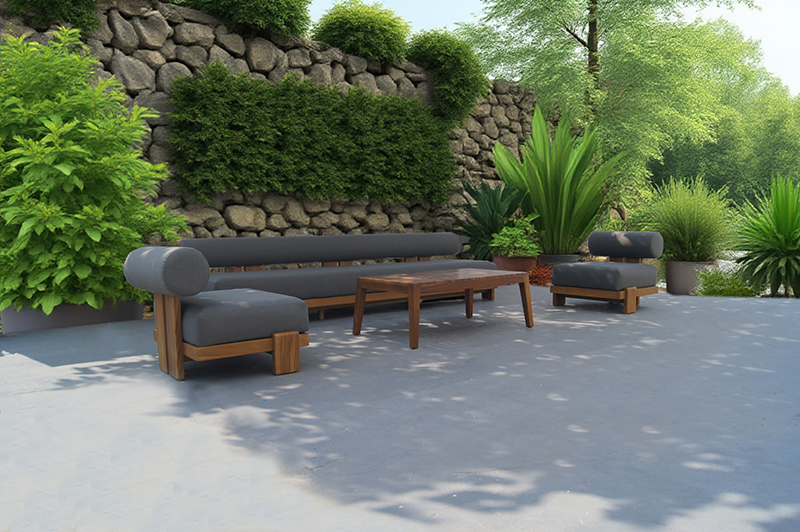
Does Wood Need to Be Treated to Be Waterproof?
This is where many people damage their furniture. To keep teak furniture "waterproof," you generally do not want to use traditional outdoor wood sealants.
The Oiling Debate: Many sources now recommend against using "teak oil." While it looks pretty temporarily, oiling can break down the wood's natural internal oils, making it reliant on constant re-application. Once you start oiling a teak chair, you cannot stop, or it will dry out and crack.
The Best Practice: For maximum water resistance, leave teak wood furniture untreated. If you want to maintain the original golden-brown color, use a water-based sealer (like Teak Shield), not penetrating oils.
The Honest Reality (No Wood is 100%)
To give a fully accurate answer based on wood science: No natural wood is 100% waterproof. Even teak will absorb a small fraction of a percent of moisture over a very long time, and it can stain stone surfaces as the natural oils leach out during the first few rains.
However, compared to other woods like Pine (rots in 1-2 years), Oak (turns black and mildews), or Maple (warps instantly), teak is functionally waterproof for the purpose of human living.
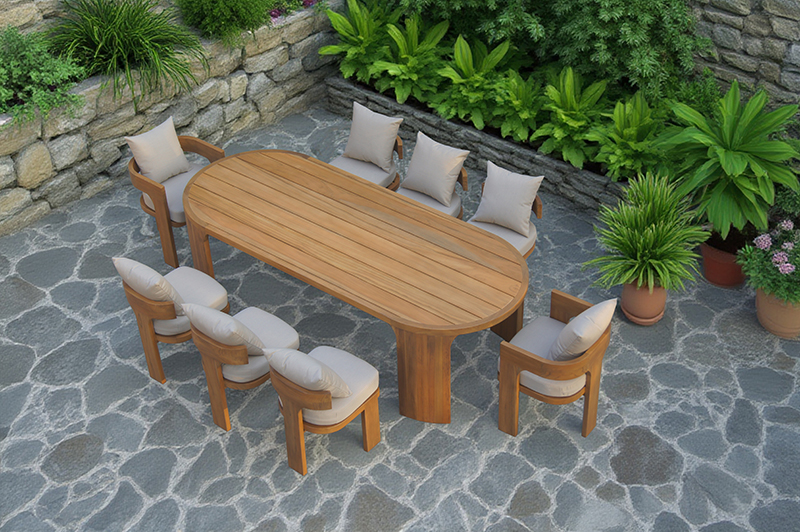
Summary: Why Teak is the Winner for Furniture
If you buy a teak table and teak chair set:
You can leave them out in the rain. They do not need to be covered.
They will not rot. The natural oils prevent fungal decay.
They will not absorb water. The dense grain and silica content repel moisture.
They will last decades. There is a reason teak was used to build the decks of ships (like the USS Constitution, "Old Ironsides")—it is the world's most weather-resistant natural hardwood.
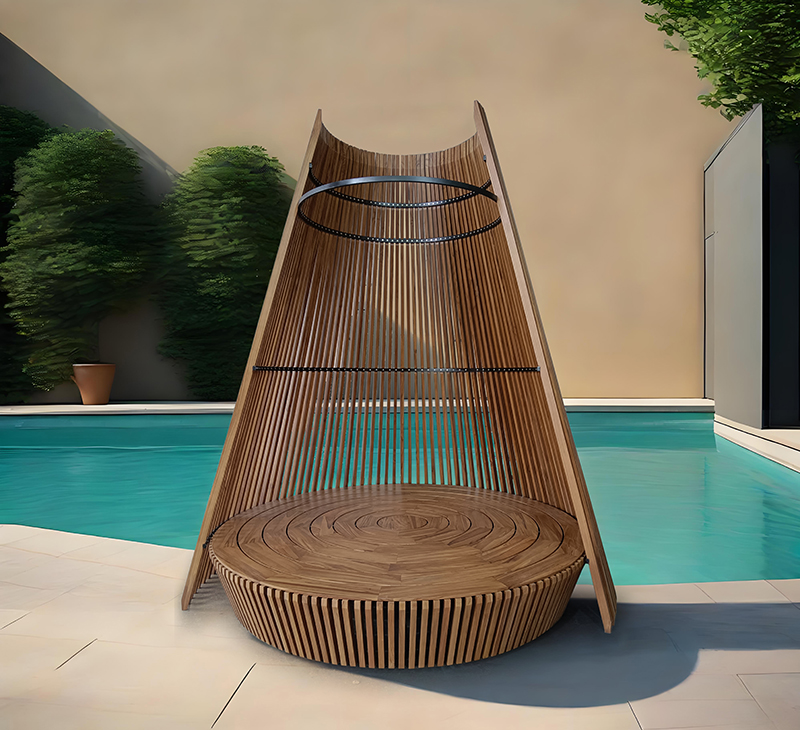
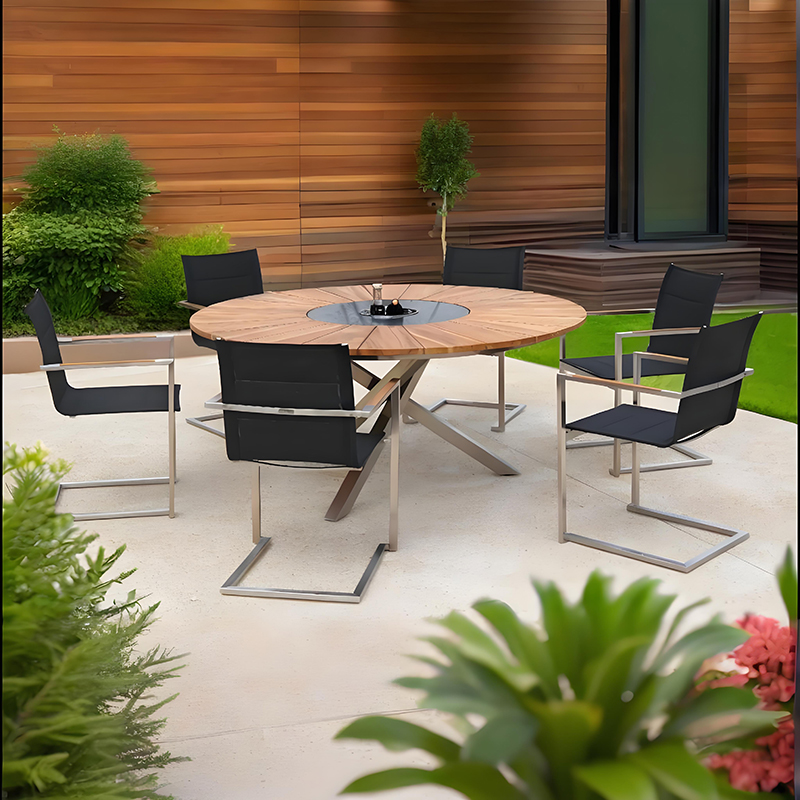
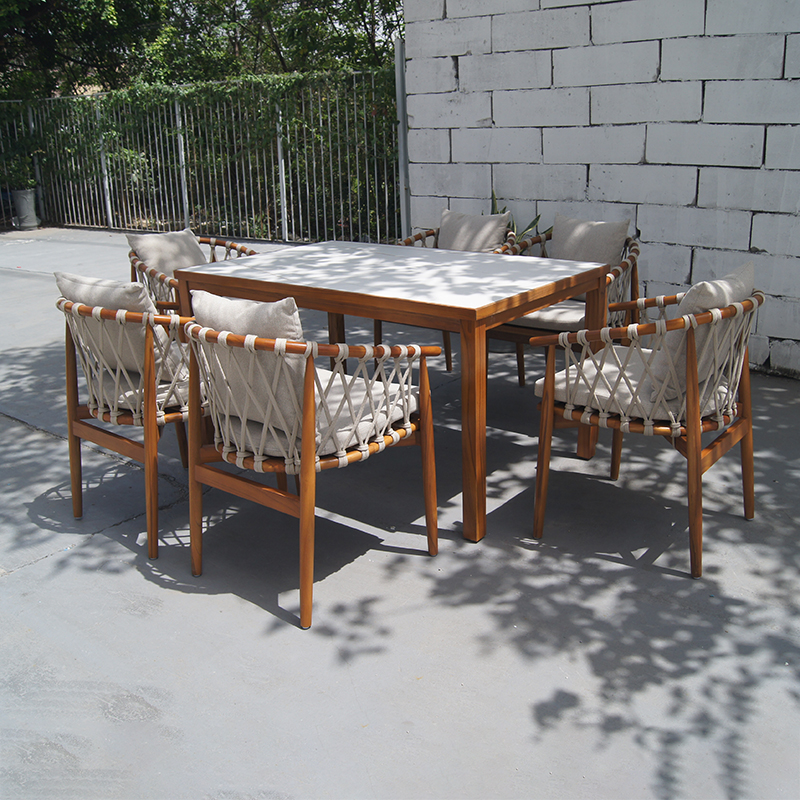
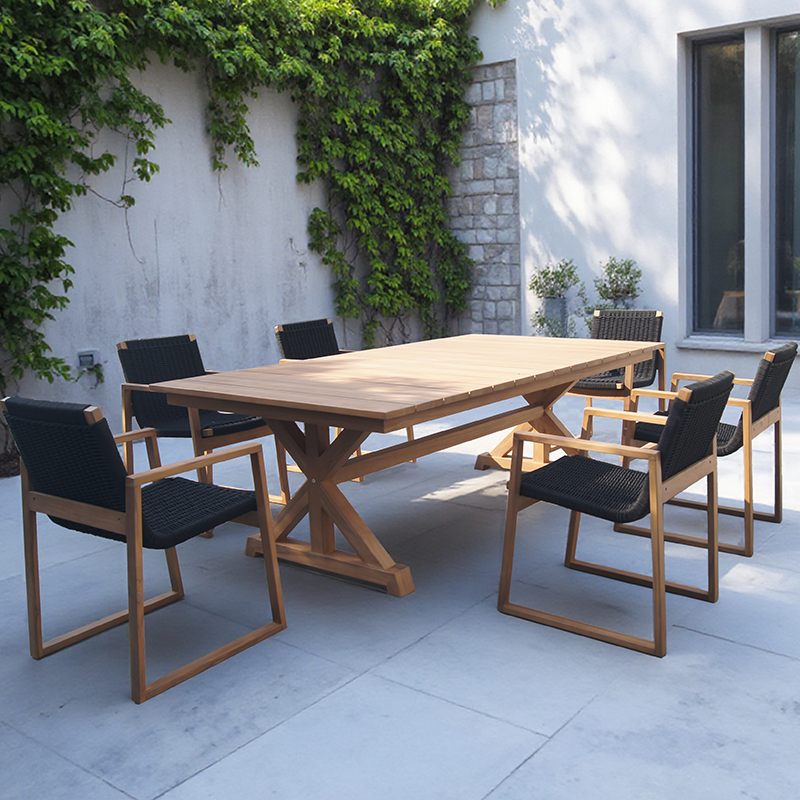
Conclusion: There is no "completely waterproof" natural wood. However, for teak furniture, teak tables, and teak chairs, the distinction is academic. Teak is the industry standard for being as close to waterproof as nature allows, relying on its natural oils rather than chemical treatments to defeat water damage for a lifetime.
