

Optimizing Container Loading for Outdoor Furniture Factories: Key Considerations
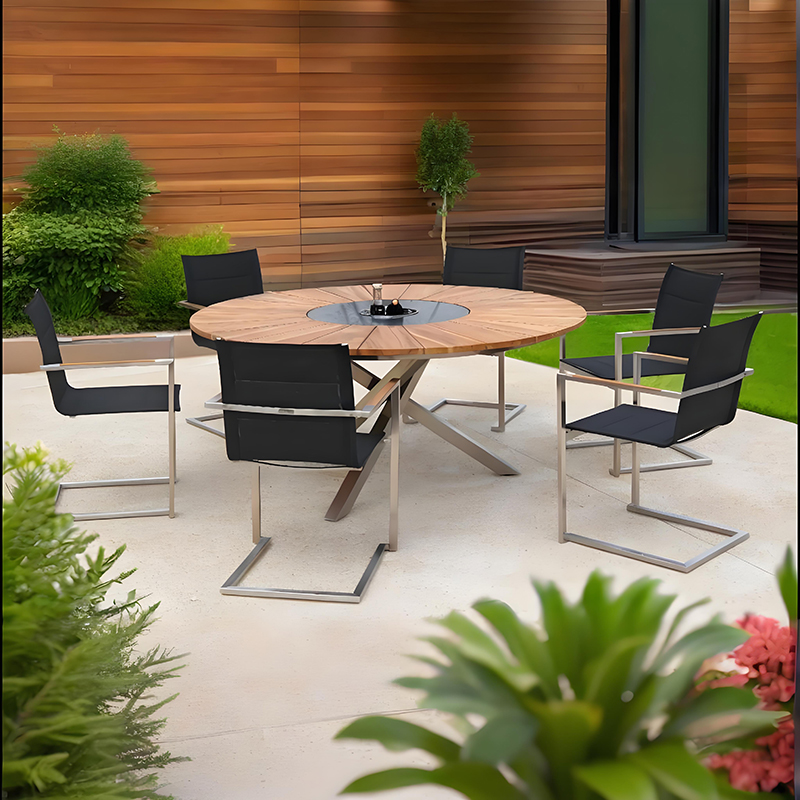
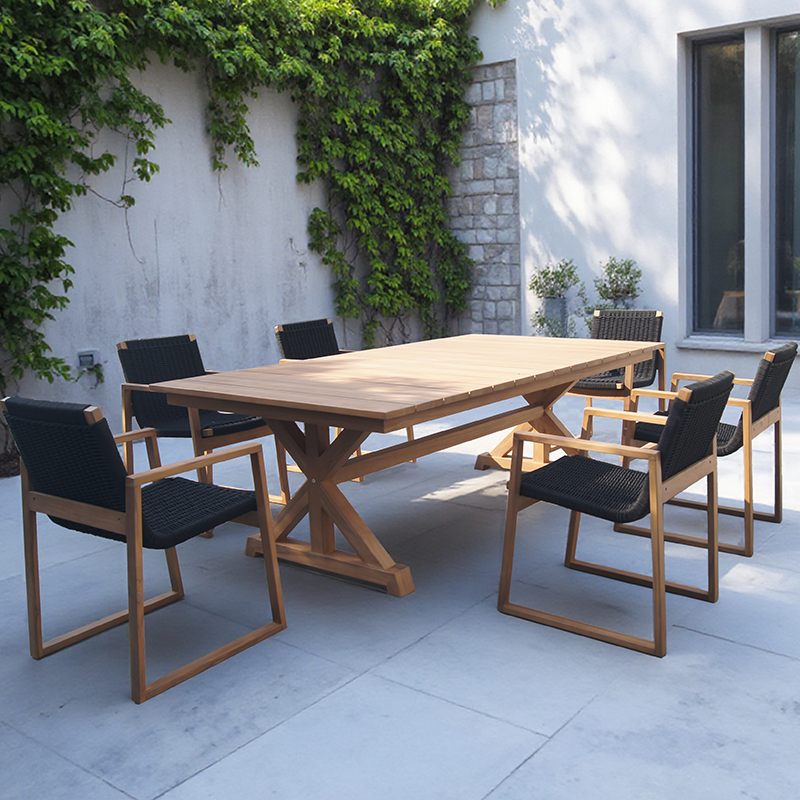
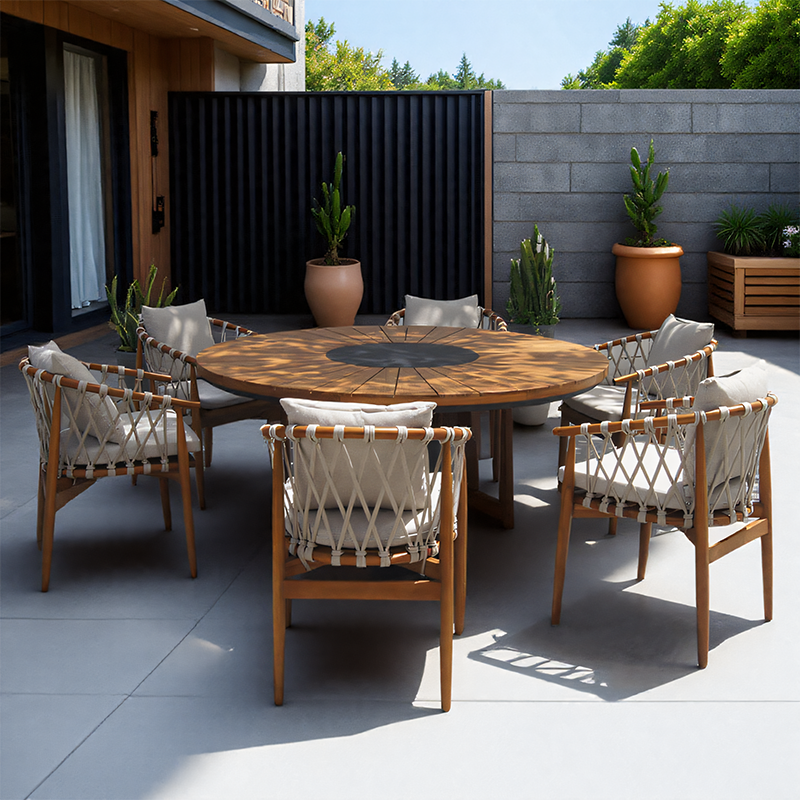
Successfully loading containers for export is a critical final step in the supply chain for any outdoor furniture factory. Efficiency, safety, and product integrity are paramount to ensure goods arrive at their destination in perfect condition, maintaining customer satisfaction and minimizing costly claims. This guide outlines essential considerations for factories specializing in outdoor furniture, garden furniture, and outdoor garden furniture when planning and executing container loading operations.
1. Pre-Loading Planning and Documentation
Accurate Packing List: Every carton, pallet, or crate must be meticulously documented. The packing list should detail items, quantities, dimensions, and weights for each unit of outdoor garden furniture. This is crucial for customs clearance and inventory management.
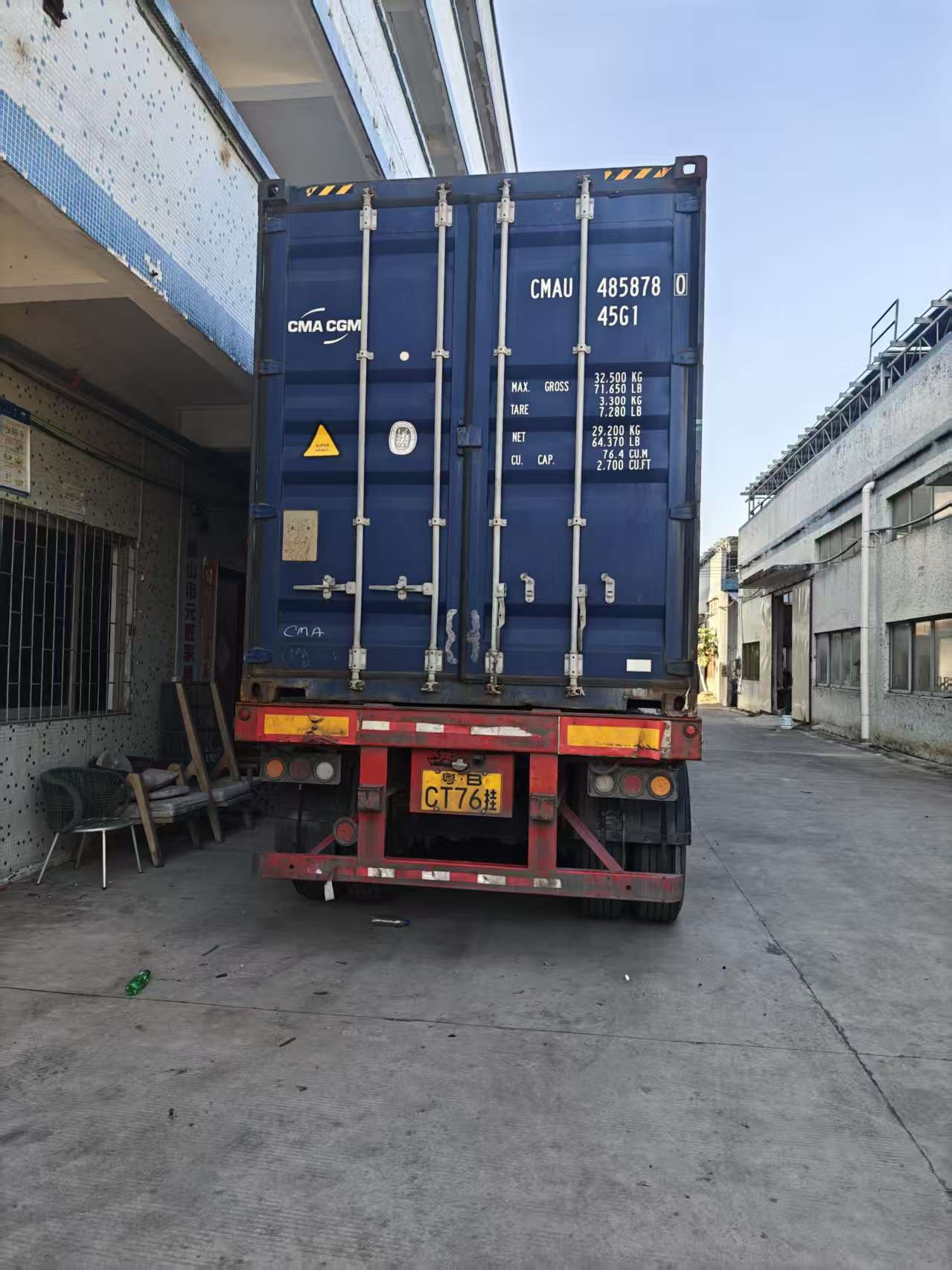
Container Selection: Choose the correct container type. Standard 20ft or 40ft dry containers are common, but for taller items like pergolas or large sun umbrellas, a High-Cube (HC) container provides extra height. For ventilated goods or to prevent condensation, consider ventilated containers.
Load Planning Software: Utilize load planning software or detailed CAD diagrams. This helps visualize the optimal arrangement of garden furniture pieces to maximize space utilization (cube optimization) and ensure weight distribution is balanced.
2. Product Protection and Packaging
Weather-Resistant Packaging: While outdoor furniture is designed for exterior use, its packaging must protect it from humidity, salt air, and physical damage during transit. Use moisture-resistant barriers (e.g., VCI paper, plastic wrap) and ensure all metal components (common in aluminum outdoor garden furniture) are properly treated to prevent corrosion.
Robust Corner Protection: Table tops, chair arms, and frame corners are vulnerable. High-quality edge protectors and corner guards are essential.
Disassembly and Nesting: Where possible, disassemble items like tables and chairs. Stacking (nesting) chairs and seat cushions dramatically saves space. Clearly label all parts and include assembly instructions and tools in an easily accessible master carton.
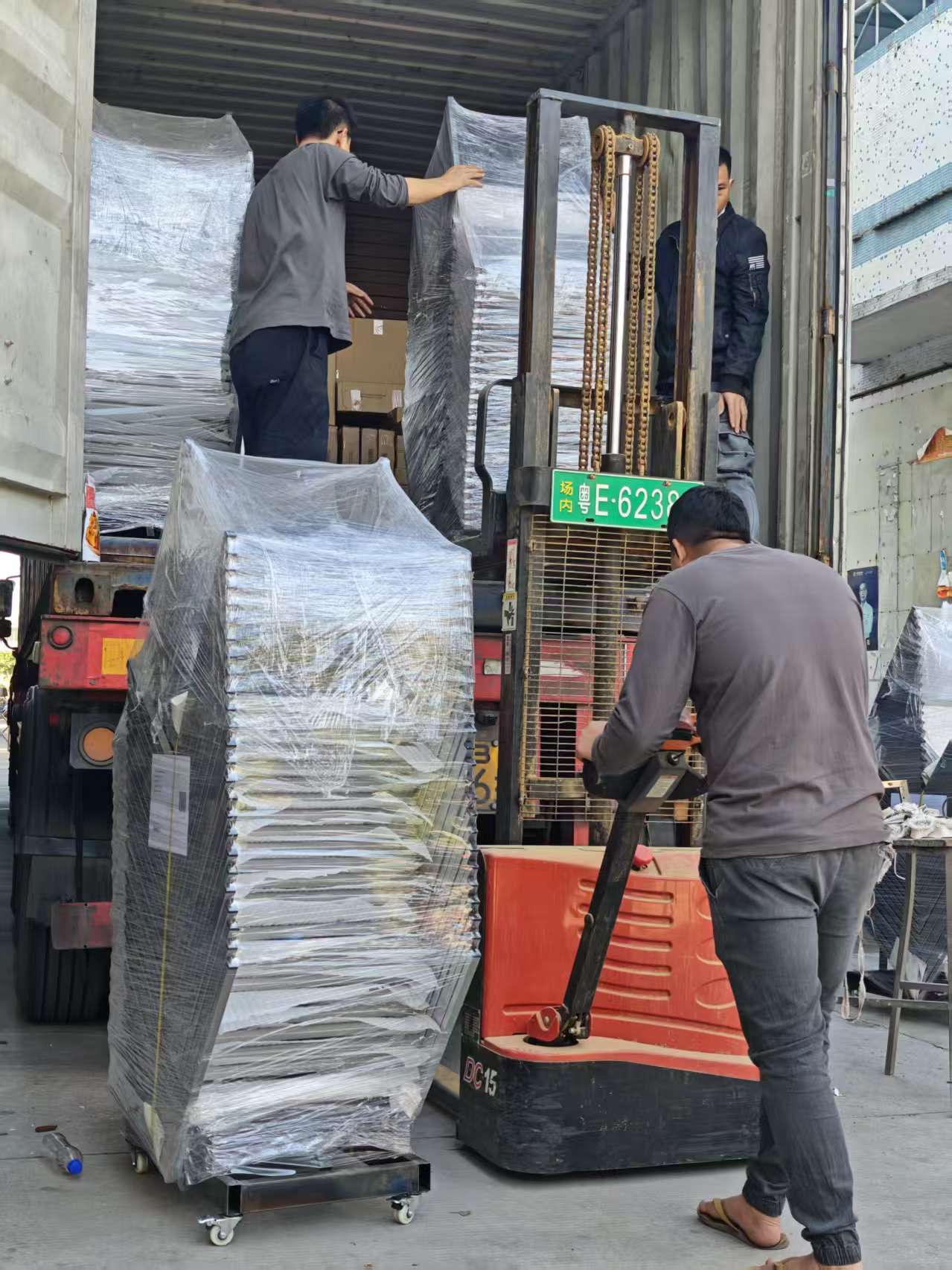
Secure Palletization: Palletizing smaller boxes or components of garden furniture stabilizes the load, facilitates handling with forklifts, and prevents boxes from shifting. Use strong pallets, stretch wrap, and banding.
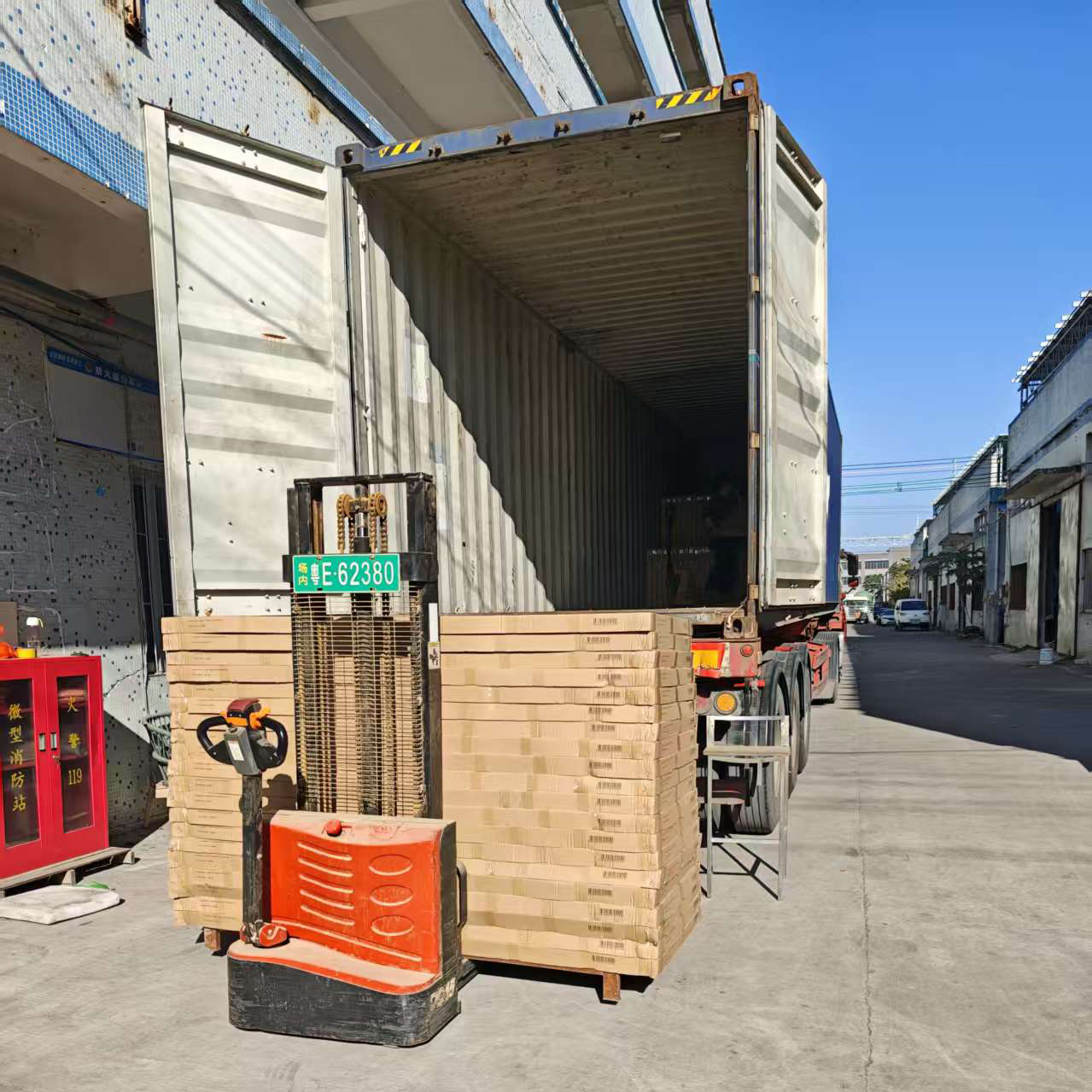
3. Container Loading Execution: Safety and Technique
Floor Inspection: Before loading, inspect the container interior for protruding nails, debris, moisture, or damage that could harm the outdoor furniture.
Weight Distribution: Heavier items (cast iron furniture, stone tabletops) must be placed on the bottom and along the container walls, concentrating weight over the floor's reinforced rails. Lighter items (cushions, umbrellas) go on top. Weight must be evenly distributed side-to-side to ensure safe truck transport.
Bottom to Top, Back to Door: Loading begins at the rear (front wall) of the container and proceeds towards the doors. The final layer before the doors should be sturdy and tightly packed to prevent any movement during the journey.
Blocking and Bracing: This is non-negotiable. Every void must be filled using airbags, dunnage bags, wooden braces, or empty pallets. Outdoor garden furniture with irregular shapes requires strategic bracing to prevent any shifting, which is the primary cause of in-transit damage.
Securing the Load: Use straps, load bars, and webbing to tie down the entire load to the container's lashing points. Do not rely on friction alone.
4. Special Considerations for Outdoor/Garden Furniture
Cushions and Fabrics: These should be loaded last, in a dry and sealed environment. Use compressed packs to save space and include desiccant packs to control moisture, preventing mold and mildew on fabrics for outdoor furniture.
Glass Components: Tabletop glass must be packed in separate, vertically positioned crates clearly marked with "FRAGILE" and "THIS SIDE UP." Never lay flat glass under heavy items.
Long/Hard-to-Pack Items: Items like sectional sofa frames, long benches, or parasols require diagonal placement or specialized racks. Wrapping them together in bundles can improve stability.
Weather Sensitivity: Avoid loading during rain or high humidity if possible. Ensure products and packaging are completely dry before sealing the container to avoid "container rain" (condensation).
5. Final Checks and Sealing
Door Area Security: Ensure no items are pressing against the container doors. The doors must close and seal easily without force.
Moisture Control: Consider hanging container desiccants from the ceiling to absorb residual moisture throughout the voyage, protecting your garden furniture.
Final Inspection: Walk through the loaded container to double-check bracing, security, and that no items are loose.
Seal and Documentation: Once sealed, record the container seal number. Take clear photographs of the fully loaded container interior (from multiple angles) and the sealed doors as proof of condition. Attach these to the shipping documents.
Conclusion
For an outdoor furniture factory, mastering container loading is as vital as manufacturing quality products. A disciplined approach focusing on detailed planning, protective packaging, meticulous weight distribution, and comprehensive securing directly translates to reduced damage, lower shipping costs per unit, and enhanced customer trust. By treating the container as a moving warehouse and implementing these best practices, factories can ensure their outdoor garden furniture arrives in showroom condition, ready to grace patios and gardens worldwide. Investing time and resources in optimizing this final process protects profit margins and solidifies a reputation for reliability in the global market for garden furniture.
