
When it comes to selecting the most durable material for outdoor furniture, the answer depends heavily on your local climate, maintenance preferences, and aesthetic desires. However, after extensive analysis of material science, real-world weathering tests, and consumer feedback, the consensus points to a hierarchy of durability. Among the top contenders, teak furniture, outdoor stainless steel furniture, outdoor stainless steel teak furniture, and rope furniture each offer unique advantages. But to declare a single “most durable,” we must evaluate resistance to sun, rain, salt spray, temperature swings, mold, insects, and physical wear. This comprehensive guide (approx. 6,000 characters) breaks down each material’s performance, then reveals which one ultimately wins the longevity crown.
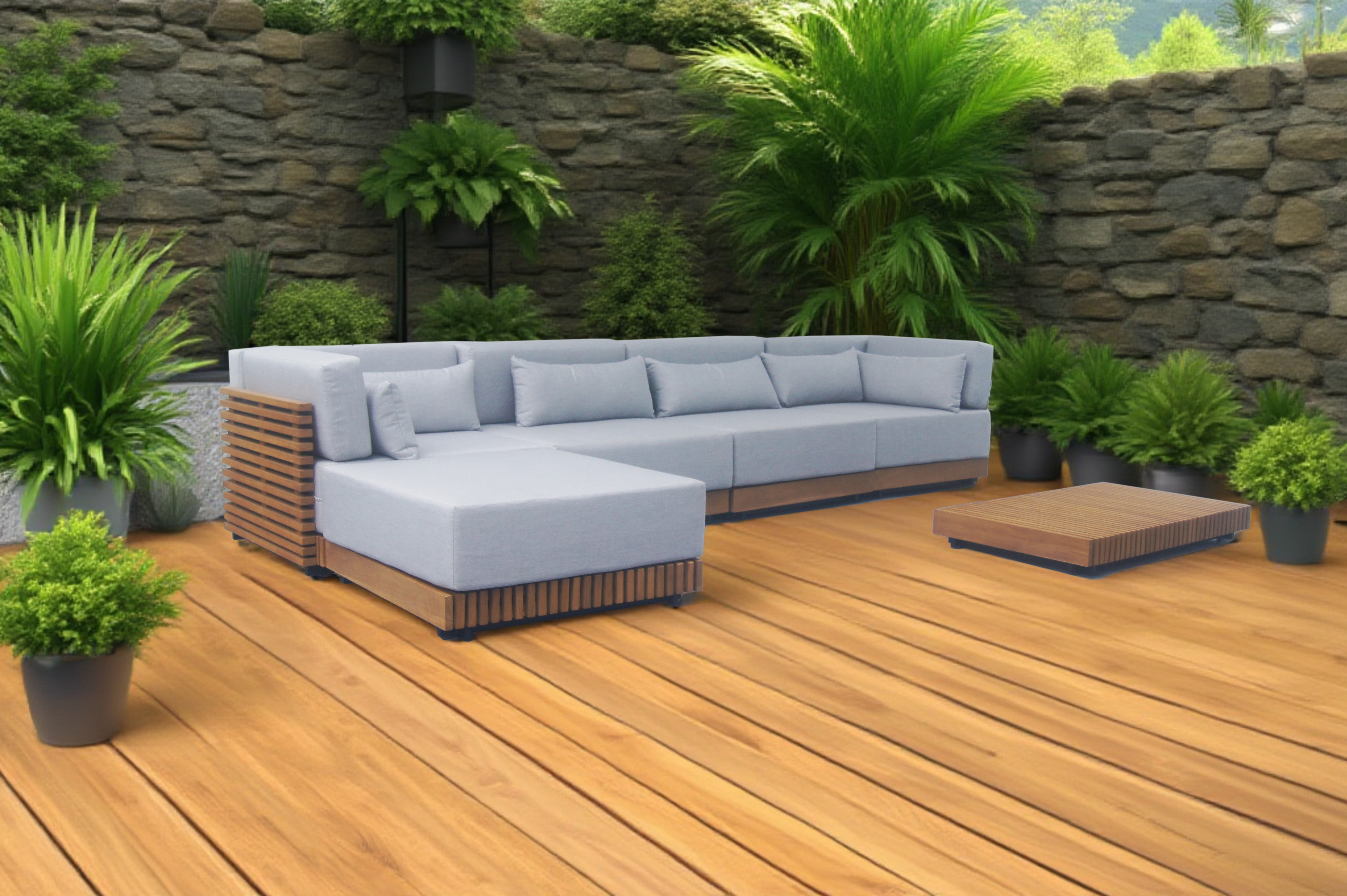
1. Teak Furniture – The Wooden Gold Standard
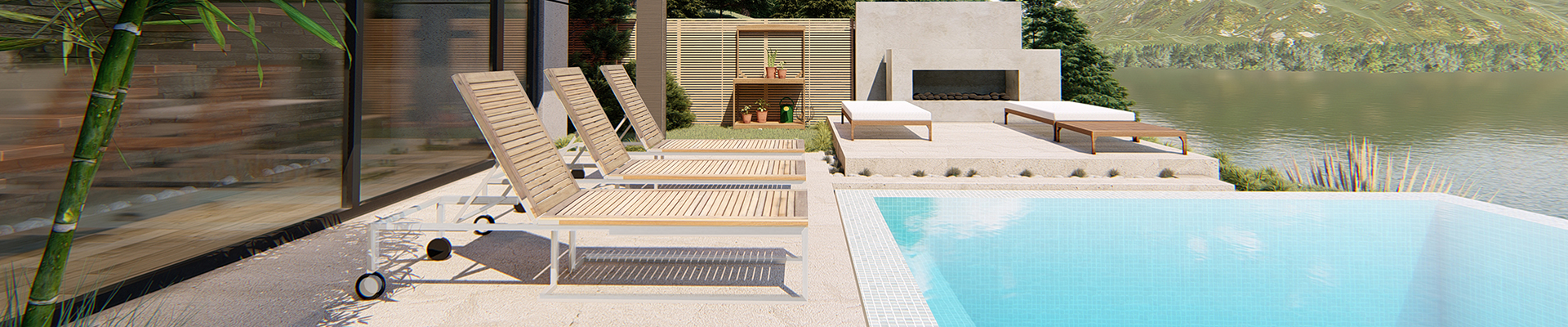
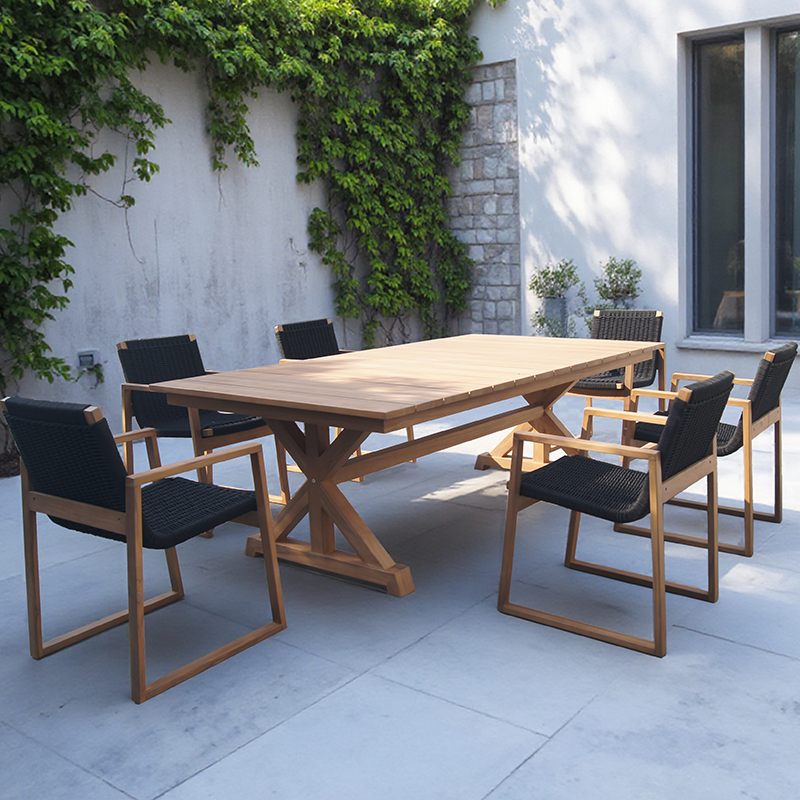
Teak furniture has been revered for centuries, especially in marine applications (boat decks, yacht flooring). Its durability stems from high natural oil and rubber content, which repels water, resists rot, and deters termites. Grade-A teak (old-growth from Myanmar) contains the highest silica content, making it exceptionally hard.
Advantages of Teak Furniture:
Weather resistance: Unaffected by rain or snow; oils prevent swelling/cracking.
UV tolerance: Slowly weathers to a silver-gray patina but remains structurally sound for 50–75 years with minimal care.
Low maintenance: No sealing or painting needed; simply clean with soapy water.
Strength: Denser than oak, resisting dents and scratches.
Vulnerabilities:
Surface mildew: In humid, shaded areas, a black film may appear (removable with bleach/water mix).
Tannin bleeding: New teak may stain light-colored stone or concrete during first rains.
Cost: Genuine Grade-A teak is expensive, and plantation teak (more common today) is less oily and durable.
Fading: The rich golden-brown color fades to silver-gray unless oiled annually (but oiling reduces slip resistance).
Verdict on Durability:
With proper cleaning, teak furniture lasts 50+ years outdoors, even in coastal environments. However, plantation teak may show checking (small surface cracks) after 10–15 years. For absolute longevity, choose old-growth or certified high-oil teak.
2. Outdoor Stainless Steel Furniture – The Metal Fortress
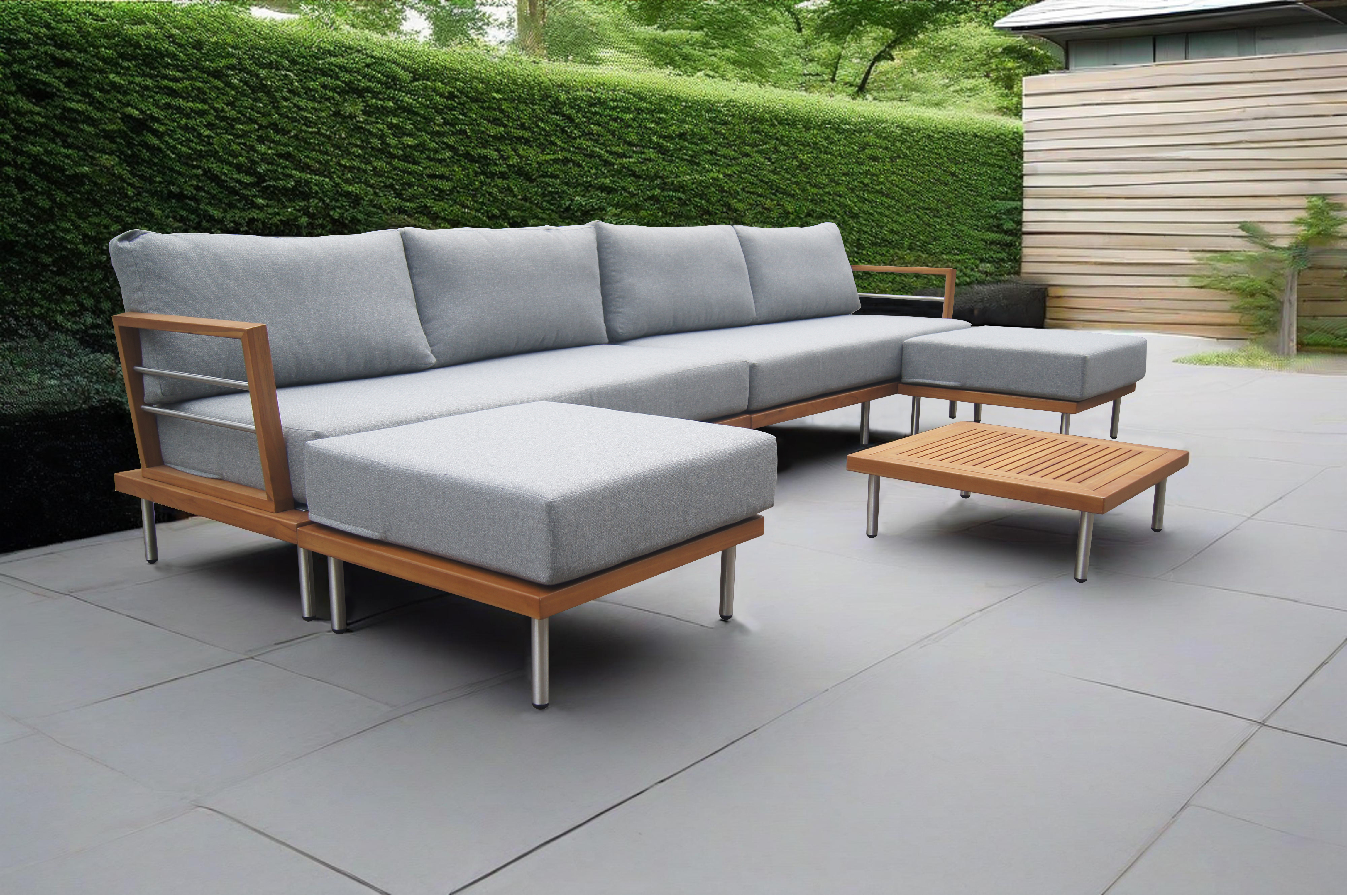
Outdoor stainless steel furniture is prized for industrial strength and corrosion resistance, but not all stainless steel is equal. The grade determines durability:
304 stainless steel: Common “marine grade” – resists fresh water and mild humidity. Can rust in coastal salt spray or chloride-rich pool areas.
316 stainless steel (or “marine grade” true spec): Contains molybdenum, which resists chlorides and salt. Ideal for beachfront or snowy regions where deicing salts are used.
316L (low carbon): Even better weld corrosion resistance.
Advantages of Outdoor Stainless Steel Furniture:
Extreme structural strength: Can withstand heavy loads, high winds, and accidental impacts.
Non-porous surface: No mold, mildew, or insect damage.
Fire resistance: Safe near grills or fire pits.
Recyclable: Environmentally friendly at end of life.
Vulnerabilities:
Surface rust spots: Even 316 stainless can develop “tea staining” (light brown discoloration) in aggressive marine environments. This is cosmetic, not structural.
Heat discoloration: Prolonged direct sun can cause surface temperatures high enough to burn skin (dark colors worsen this).
Fingerprints and smudges: Show easily on polished finishes.
Crevice corrosion: Where water pools (e.g., between a cushion and frame), prolonged moisture can pit the metal.
High initial cost: 316 stainless is significantly more expensive than aluminum or coated steel.
Verdict on Durability:
Outdoor stainless steel furniture in 316 grade will outlive most homes (100+ years) with occasional washing to remove salt deposits. However, it is not truly “rust-proof” in aggressive coastal conditions – annual cleaning is required to prevent tea staining. For non-coastal areas, 304 is still excellent (30–50 years).
3. Outdoor Stainless Steel Teak Furniture – The Hybrid Heavyweight
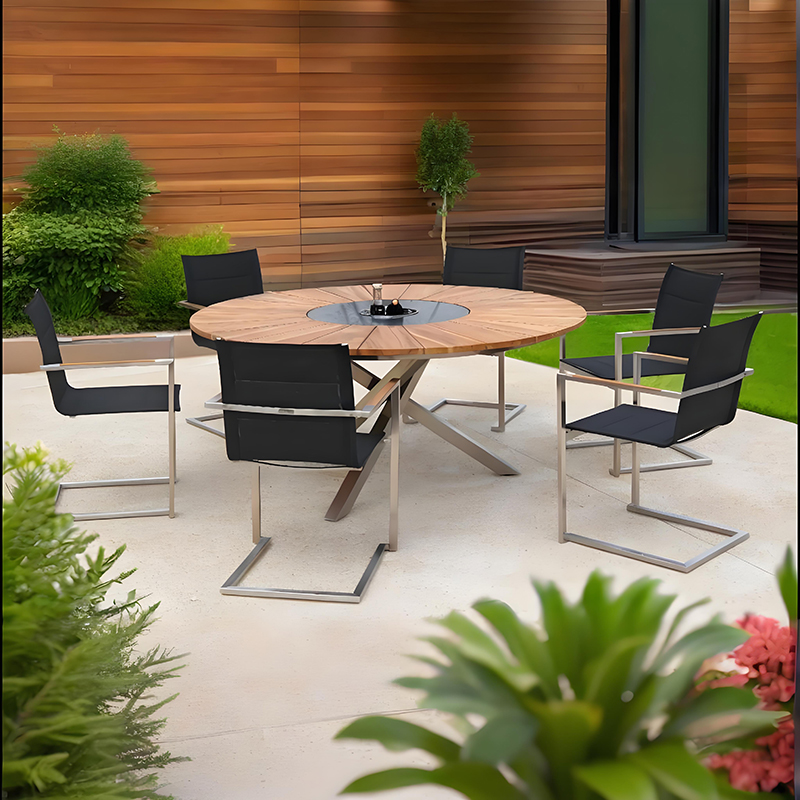
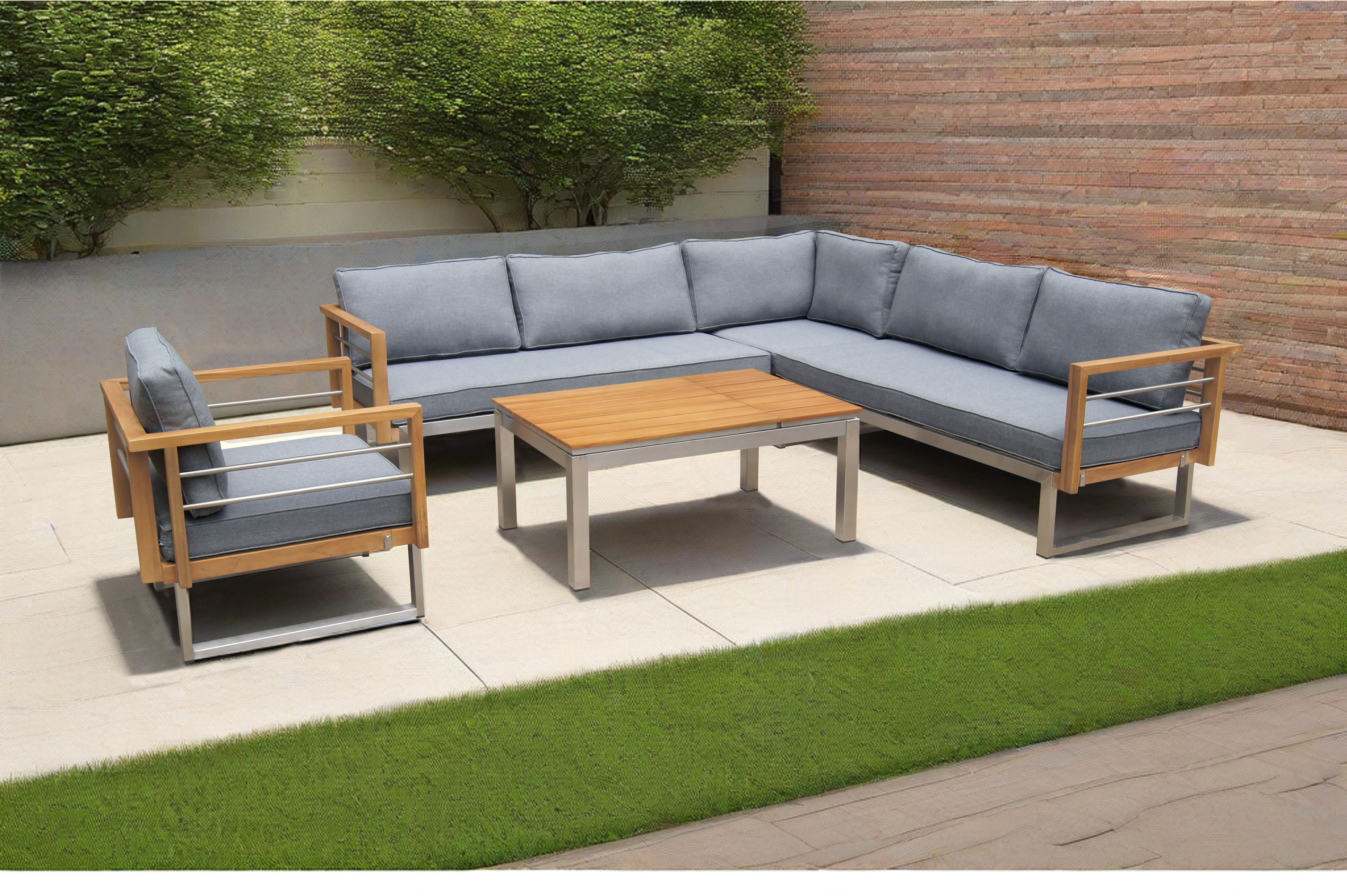
Combining the best of both worlds, outdoor stainless steel teak furniture uses a stainless steel frame (usually 304 or 316) with teak wood slats, arms, or tabletops. This hybrid design addresses each material’s weaknesses:
Stainless steel provides structural rigidity and slender profiles that pure wood cannot achieve.
Teak offers a warm, comfortable seating surface that doesn’t overheat in the sun (unlike metal) and doesn’t require cushions.
Durability Analysis of Outdoor Stainless Steel Teak Furniture:
Corrosion protection: The steel frame is the vulnerable part. High-end brands use 316 stainless and fully welded joints (no crevices). Some add powder coating over the stainless for extra barrier.
Teak maintenance: The wood still ages and may need cleaning, but the frame stays inert.
Connection points: The interface between steel and wood must allow for differential expansion. Quality pieces use hidden rubber gaskets or slotted holes. Cheap versions drill directly into teak, inviting water entrapment and rust at the screws.
Weight: Very heavy – difficult to rearrange, but also wind-resistant.
Best Use Cases:
This hybrid excels in luxury coastal resorts or high-end residential settings where both aesthetics and longevity are paramount. For example, a dining table with a 316 stainless steel base and a 5cm-thick teak top will last 40+ years if the steel is periodically rinsed.
Weaknesses:
Cost: Extremely expensive – often 2–3x more than pure teak or pure stainless.
Hidden corrosion: If water seeps between teak slats and a steel frame, it may corrode unseen until failure.
Labor-intensive repairs: Separating bonded teak from steel for refinishing is difficult.
Verdict:
Outdoor stainless steel teak furniture is arguably the most durable aesthetic choice – it resists the heat/cold issues of pure metal and the insect/rot issues of pure wood. However, it is only as strong as its joining method. Welded 316 frames with replaceable teak components offer 50+ years of service.
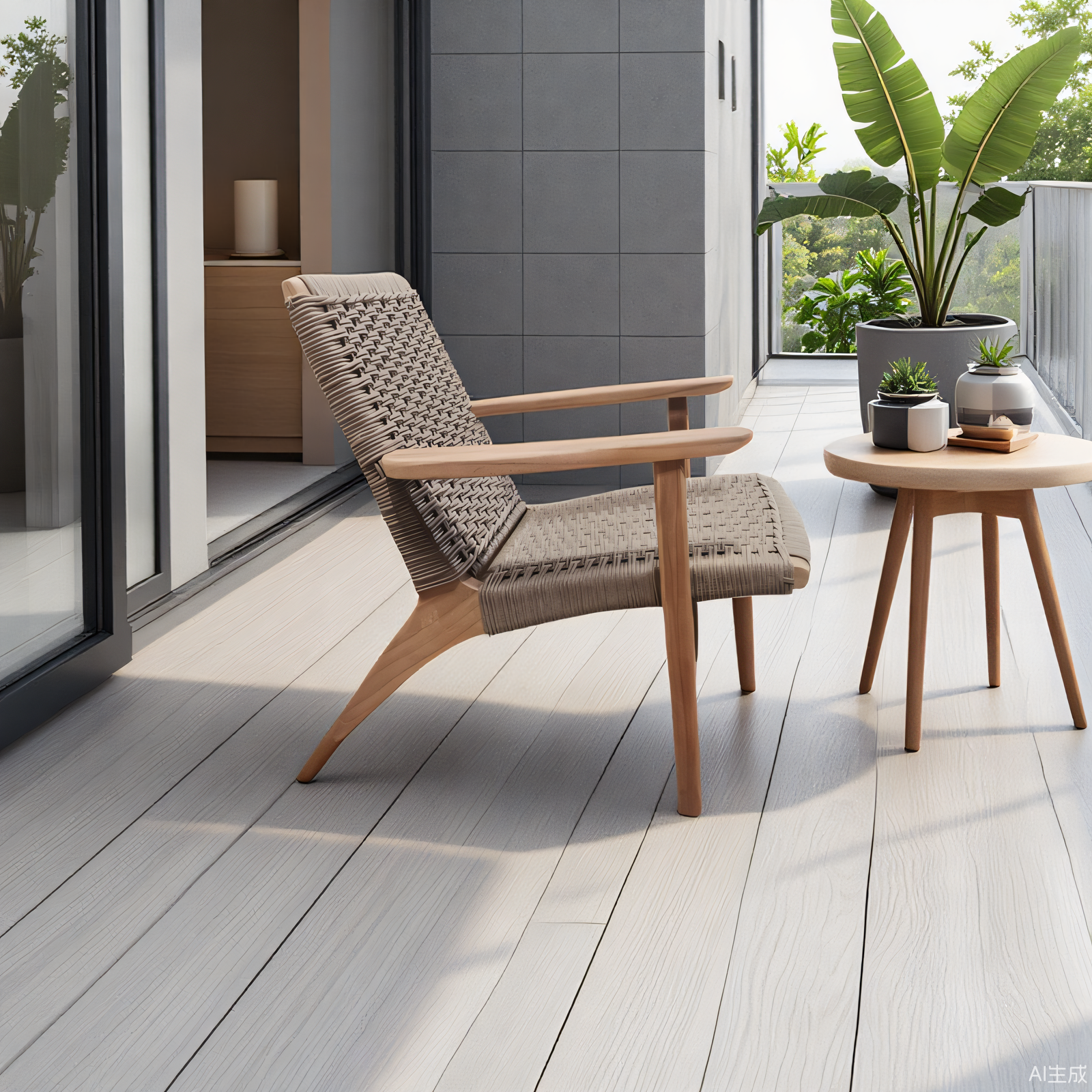
4. Rope Furniture – The Surprising Contender
Rope furniture has exploded in popularity due to its modern, breezy look. But durability varies wildly based on rope material:
Polypropylene rope: Cheap, UV-resistant but feels plastic-like. Lasts 3–5 years before becoming brittle.
Polyester rope: Better UV resistance and feel. 5–7 years.
High-density polyethylene (HDPE) rope: Excellent UV, abrasion, and chemical resistance. 10–15 years.
Olefin rope: Good for damp environments but poor UV resistance.
Natural fiber ropes (cotton, jute, hemp) : Not suitable for outdoor use – rot within months.
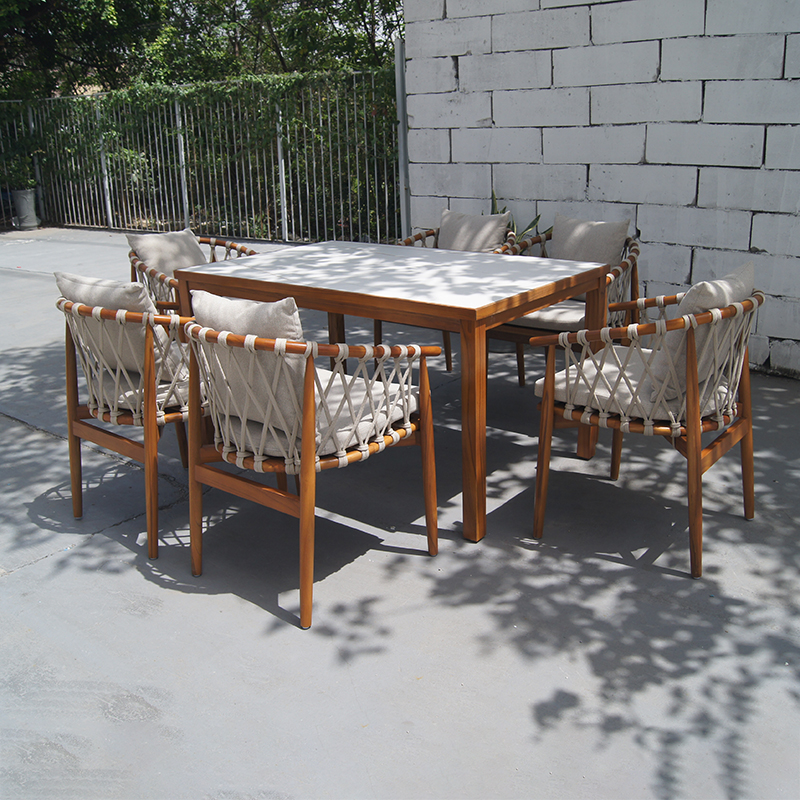
Most premium rope furniture uses HDPE or solution-dyed polyester wrapped around an aluminum or stainless steel frame. The frame provides structure; the rope provides flex and comfort.
Durability Factors for Rope Furniture:
UV degradation: Even HDPE loses some tensile strength after 8–10 years of full sun. Color fading is inevitable unless solution-dyed (color added to molten plastic).
Abrasion: Rope-on-rope friction (e.g., chair arm loops) causes fuzzing and breakage. Premium brands use anti-friction coatings or design minimal contact points.
Mold and mildew: Rope’s braided structure traps organic debris. In humid climates, black mold grows between strands, requiring pressure washing. HDPE resists mold better than polyester.
Tension loss: Over time, rope stretches, leading to sagging seats. Adjustable tension systems (rare) extend life.
Frame corrosion: If the internal frame is plain steel, rust will bleed through the rope. Always verify marine-grade aluminum or 316 stainless frame.
Real-World Longevity:
A well-made rope furniture piece with HDPE rope and a 316 stainless steel frame can last 15–20 years. However, the rope itself will show wear after 5–10 years. Some brands offer re-webbing services, but this often costs as much as new furniture.
Advantages:
Comfortable (slight give, doesn’t retain heat like metal)
Lightweight and easy to move
Drains instantly – no water pooling
Modern aesthetic
Weaknesses:
Shorter lifespan than pure teak or stainless steel
Difficult to clean deeply (mold in braids)
Can fray and become prickly
Pets may chew or scratch it
Head-to-Head Durability Comparison
| Material | Expected Lifespan (Full Sun, Coastal) | Maintenance Level | Failure Mode |
|---|---|---|---|
| Teak (Grade-A) | 50–75 years | Low (annual wash) | Checking, mildew staining |
| Teak (plantation) | 20–40 years | Moderate (oiling optional) | Rot if low oil content |
| 316 Stainless Steel | 100+ years (with rinsing) | Very low (salt removal) | Tea staining, crevice pitting |
| 304 Stainless Steel | 20–30 years (inland) / 5–10 years (coastal) | Moderate | Red rust |
| Stainless + Teak hybrid | 40–60 years | Low to moderate | Joint corrosion, wood aging |
| HDPE Rope (316 frame) | 15–20 years | Moderate (mold cleaning) | Rope fraying, UV embrittlement |
| Polyester Rope | 5–7 years | High | UV cracking, mold |
The Ultimate Winner: Why 316 Outdoor Stainless Steel Furniture Takes the Crown
If “most durable” means longest functional lifespan with minimal maintenance, outdoor stainless steel furniture made from 316 grade (or 316L) is the undisputed champion. Here’s why:
No organic degradation – Unlike teak or rope, stainless steel cannot rot, be eaten by insects, or support mold growth (surface mold wipes off).
Extreme temperature tolerance – From -40°C to 200°C, no cracking or softening.
Impact resistance – Can withstand falling branches, rowdy children, or furniture stacking without splintering or fraying.
Full recyclability – At end of life (unlikely in your lifetime), it melts down into new products.
Lowest maintenance – Hose off salt or dirt once a year. No oiling, no sealing, no re-webbing.
The only caveat: you must choose 316 stainless, not 304. And you must avoid designs with crevices where water can stagnate. Fully welded, smooth-tube construction with drainage holes is best.
But What About the Others?
Teak furniture remains the most durable wood – but wood is inherently less stable than metal. A fallen tree limb will dent teak but bounce off stainless steel.
Outdoor stainless steel teak furniture offers the best aesthetic durability – it looks warm and natural while the steel provides backbone. However, the teak will eventually need replacement (after 40+ years), making it slightly less “fit and forget” than all-metal.
Rope furniture is the least durable of the four, but it wins in comfort and style. If you live in a mild, dry climate and don’t mind replacing it every decade, rope is fine. In humid or salty environments, avoid it.
Practical Recommendations by Scenario
Beachfront property (salt spray, wind) : 316 outdoor stainless steel furniture only. Rinse monthly. Avoid teak (salt can crystallize in grain, causing splitting) and rope (salt + UV accelerates fraying).
High desert (intense sun, dry) : Teak furniture (oiled to prevent checking) or 304 stainless. Avoid dark-colored stainless (gets too hot). Rope furniture will become brittle within 5 years.
Rainy, humid forest (mold, insects) : 316 stainless or outdoor stainless steel teak furniture (with sealed joints). Pure teak will develop black mildew (cosmetic but unsightly). Rope furniture will grow mold inside braids.
Poolside (chlorine, splashing) : 316 stainless or HDPE rope furniture on aluminum frames. Chlorine accelerates corrosion on 304 stainless and bleaches teak’s color unevenly.
Four-season continental climate (freeze-thaw) : 316 stainless or outdoor stainless steel teak furniture – the steel handles expansion/contraction; teak adds comfort. Avoid rope – ice wedges between strands cause cracking.
Long-Term Cost Analysis
While 316 stainless has high upfront cost ($2000–$5000 for a dining set), its cost per year over a 50-year life is $40–$100. Teak furniture (Grade-A) might be $3000–$6000 for 50 years ($60–$120/year) plus occasional cleaning supplies. Outdoor stainless steel teak furniture can be $4000–$8000 for 50 years ($80–$160/year). Rope furniture at $1000–$2000 for 10 years is $100–$200/year – actually more expensive annually.
Thus, 316 outdoor stainless steel furniture is the most cost-effective durable choice in the long run.
Conclusion
After evaluating all factors – material science, real-world weathering, maintenance, and cost-per-year – 316 outdoor stainless steel furniture is the most durable material for outdoor furniture. It outlasts teak furniture (which eventually weathers and may crack), out-performs outdoor stainless steel teak furniture (which introduces wood as a long-term weak point), and far exceeds rope furniture (which degrades from UV and abrasion within two decades).
That said, “most durable” doesn’t mean “best for everyone.” If you value natural beauty and are willing to perform occasional maintenance, Grade-A teak furniture offers an unmatched patina. If you want a contemporary look and live in a mild climate, rope furniture is wonderfully comfortable. And if you desire the perfect balance of warmth and industrial strength, outdoor stainless steel teak furniture is a luxurious hybrid.
But for sheer, no-excuses, hand-it-down-to-your-grandchildren longevity – the kind where you install it once and never think about it again – nothing beats 316 stainless steel. Choose fully welded, brushed finish (hides scratches), and avoid horizontal surfaces where water can pool. Then enjoy a lifetime of outdoor living without a single splinter, rusty bolt, or frayed strand.
