
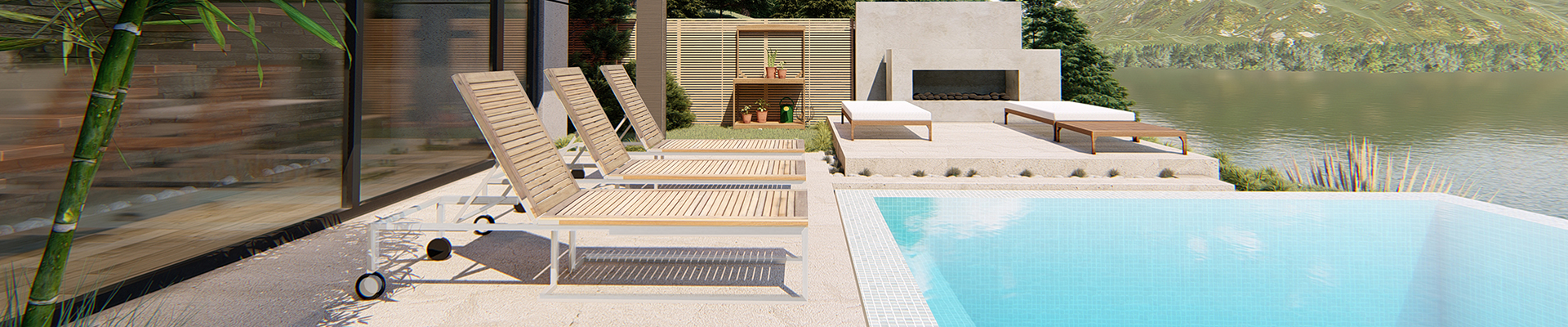
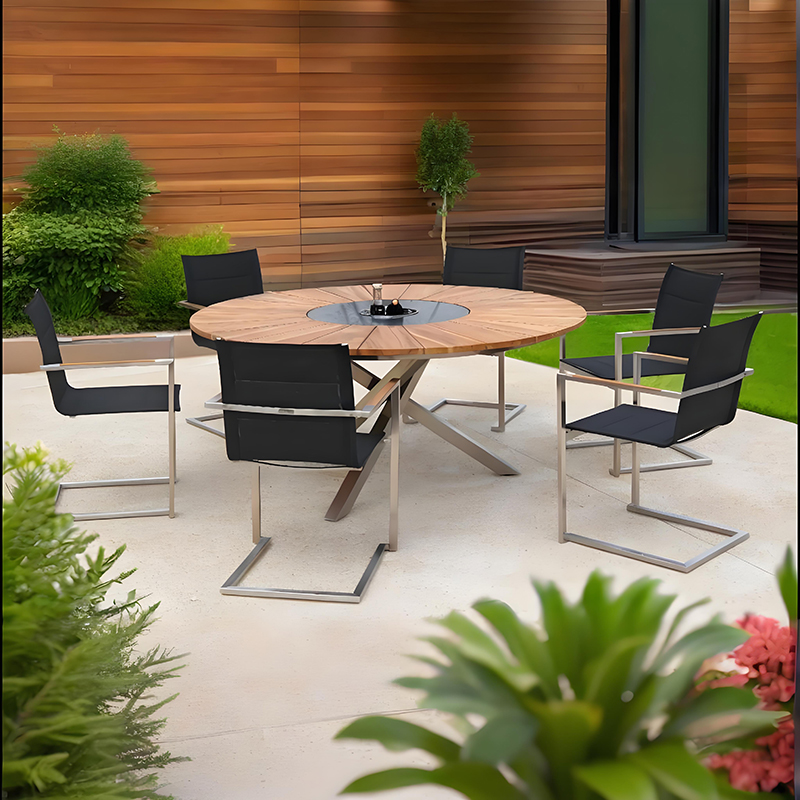
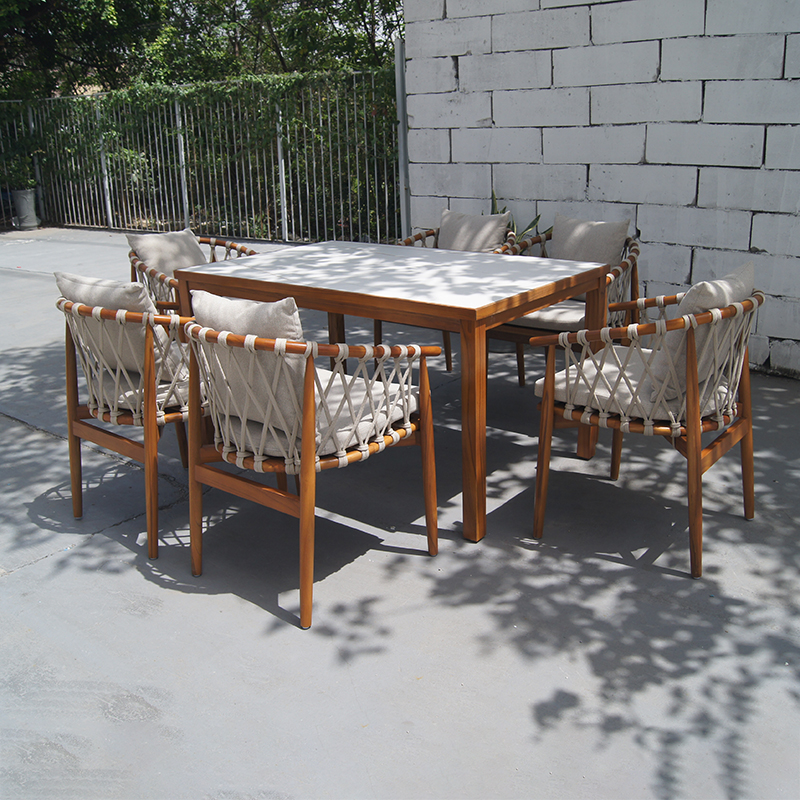
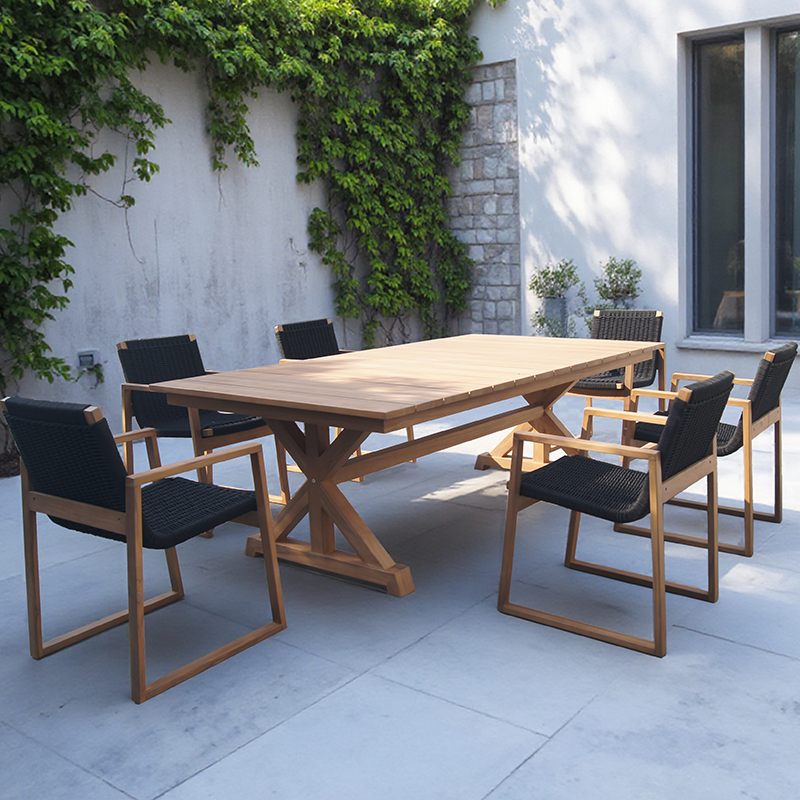
Most garden furniture and outdoor furniture is explicitly designed to live outside 24/7/365. However, “leaving it outside” does not mean “abandoning it to the elements without a second thought.” The difference between a set that looks beautiful for a decade and a set that looks like trash in two years comes down to three things: material choice, preparation, and seasonal maintenance.
In this comprehensive guide, we will explore exactly what happens to different types of garden furniture and outdoor furniture when left outside, which materials survive best, and the specific steps you must take to ensure longevity.
Part 1: Why Do People Worry About Leaving Garden Furniture and Outdoor Furniture Outside?
The concern is valid. Nature is relentless. Ultraviolet radiation from the sun breaks down molecular bonds. Rain introduces moisture that leads to rot, rust, and mold. Temperature fluctuations cause expansion and contraction. Wind carries abrasive dust and salt. Snow and ice create freeze-thaw cycles that crack materials from the inside.
However, high-quality garden furniture and outdoor furniture are engineered with these exact forces in mind. The problem is not “leaving furniture outside” – the problem is leaving the wrong furniture outside, or leaving any furniture outside without basic care.
Part 2: Material by Material – What Happens When You Leave Garden Furniture and Outdoor Furniture Outside?
Not all garden furniture and outdoor furniture are created equal. Below is a detailed breakdown of how each major material behaves when permanently left outdoors.
2.1 Teak Garden Furniture and Outdoor Furniture
Verdict: Absolutely fine. In fact, teak prefers being outside.
Teak is the gold standard for a reason. When you leave teak garden furniture and outdoor furniture outside, several things happen:
The first 6-12 months: The warm honey-gold color gradually fades. Water beads up on the surface due to natural oils.
Year 1-3: The surface turns a silver-grey patina. This is NOT damage. This is the wood’s natural UV protection layer forming.
Year 3+: The silver-grey surface stabilizes. The wood remains structurally perfect for 50-70 years.
What goes wrong: Nothing, unless your teak is low-grade (B or C grade plantation teak with low oil content). Low-grade teak can develop surface cracks (checking) or turn black in constantly wet, shaded areas.
The rule: Leave high-grade (Grade A) teak garden furniture and outdoor furniture outside forever. Do not bring it indoors – indoor heating will dry it out and cause cracking. The outdoors is its natural habitat.
2.2 Stainless Steel Garden Furniture and Outdoor Furniture (Marine Grade 316)
Verdict: Yes, but with one major warning about heat.
Marine-grade 316 stainless steel is designed for saltwater environments. Leaving it outside is exactly what it was made for.
Rain: No effect. Water rolls off.
Snow: No effect. Wipe it off when convenient.
UV: No effect. Stainless steel does not degrade in sunlight.
Salt air: 316 grade resists pitting and rust for decades.
The one major problem: In direct, intense sunlight (desert climates, summer afternoons), stainless steel garden furniture and outdoor furniture becomes dangerously hot. Surface temperatures can reach 65°C+ (150°F+), enough to cause burns on bare skin.
The rule: You can leave stainless steel garden furniture and outdoor furniture outside year-round, but you must provide shade (umbrella, pergola, or tree cover) if you live in a hot climate. Alternatively, use cushions when sitting.
2.3 Aluminum Garden Furniture and Outdoor Furniture
Verdict: Yes – this is the most forgiving material for permanent outdoor placement.
Aluminum does not rust. It forms a natural oxide layer that protects it. Most aluminum garden furniture and outdoor furniture comes with a powder-coated finish.
Rain: Fine, as long as the powder coating is intact.
UV: Powder coating will fade over 5-10 years, but this is cosmetic.
Salt air: Aluminum resists salt corrosion well, though pitting can occur after 10+ years in extreme coastal conditions.
The hidden danger: Water can collect inside hollow aluminum tubes. If this water freezes, it expands and can crack the tubing from the inside. Most quality aluminum garden furniture and outdoor furniture has small drainage holes – check for them.
The rule: Leave aluminum garden furniture and outdoor furniture outside permanently, but tilt pieces slightly to allow water to drain. Every 2-3 years, inspect the powder coating for chips – touch up with matching paint to prevent exposure of bare metal.
2.4 Synthetic Wicker (HDPE/Resin Wicker) Garden Furniture and Outdoor Furniture
Verdict: Yes, but with a lifespan limit.
High-quality synthetic wicker made from HDPE (high-density polyethylene) or resin is UV-stabilized and waterproof. It is explicitly designed for permanent outdoor use.
Rain: Water passes through the weave. The aluminum frame underneath should be rust-resistant.
UV: Quality HDPE wicker lasts 5-10 years before fading or becoming brittle. Cheap PVC wicker fails in 1-2 years.
Mold: In shaded, humid environments, mold can grow on the surface of the wicker, though not in it.
The rule: You can leave HDPE wicker garden furniture and outdoor furniture outside permanently. However, expect to replace it after 8-12 years, not because it fails structurally but because the color fades unevenly and the material becomes slightly brittle. Clean it twice a year to prevent surface mold.
2.5 Cast Aluminum Garden Furniture and Outdoor Furniture
Verdict: Yes – this is one of the most durable options.
Cast aluminum is solid, heavy, and does not rust. Unlike tubular aluminum, there are no hollow spaces to trap water. The powder-coated finish bonds well to the metal.
Rain: No effect.
Snow: No effect.
UV: The powder coating will fade over time, but this is cosmetic.
Physical damage: Cast aluminum can crack if struck hard (e.g., by a falling tree branch), but it does not dent.
The rule: Leave cast aluminum garden furniture and outdoor furniture outside forever. The only maintenance is occasional washing and, after 5-10 years, possible repainting of the powder coat if you care about color.
2.6 Plastic (Polypropylene/Polyethylene) Garden Furniture and Outdoor Furniture
Verdict: Yes for short-term (3-5 years), no for long-term.
Plastic garden furniture and outdoor furniture is the most common budget option. It is lightweight, cheap, and waterproof. However, it is also the most UV-sensitive.
UV: Most plastics contain UV stabilizers, but these degrade. After 2-3 years, the plastic becomes chalky. After 4-5 years, it becomes brittle. After 6-8 years, it can shatter when sat upon.
Rain: No effect.
Freeze-thaw: Plastic becomes brittle in cold temperatures. A frozen plastic chair can crack under a person’s weight.
The rule: You can leave plastic garden furniture and outdoor furniture outside, but treat it as disposable with a 3-5 year lifespan. For permanent outdoor placement, spend more on better materials.
2.7 Wrought Iron Garden Furniture and Outdoor Furniture
Verdict: No – or only with extreme maintenance.
Wrought iron is heavy, beautiful, and traditional. It is also the most problematic material for permanent outdoor placement unless you are committed to annual maintenance.
Rain: Wrought iron rusts. Plain and simple. Even powder coating eventually chips, and rust begins underneath the chip, spreading like cancer.
UV: No direct effect, but UV degrades the paint/powder coat, exposing the metal.
The reality: Most wrought iron garden furniture and outdoor furniture left outside for 5+ years without maintenance will develop significant rust.
The rule: If you love wrought iron, you cannot simply leave it outside. You must bring it indoors during wet seasons, or you must sand and repaint it every 1-2 years. For most people, this is not worth the effort.
2.8 Cushions and Upholstery on Garden Furniture and Outdoor Furniture
Verdict: No – cushions are the exception.
Here is the most important distinction: The frame of garden furniture and outdoor furniture can often stay outside. The cushions should generally not.
Rain: Even “water-resistant” cushions will absorb moisture if left in heavy rain. Wet cushions grow mold inside the foam – mold that you cannot see or clean.
UV: Sunlight fades fabric and breaks down elastic fibers.
Wind: Cushions act as sails. They blow away, get lost, or land in mud.
The rule: Leave the hard parts of your garden furniture and outdoor furniture outside. Bring the cushions inside when not in use – or at minimum, store them in a deck box or under a waterproof cover. This single habit will double the lifespan of your outdoor seating.
Part 3: The Climate Factor – Where You Live Changes Everything
“Leaving garden furniture and outdoor furniture outside” means different things in different climates.
3.1 Coastal / High Salt Environments
Challenge: Salt corrosion and pitting.
What works: 316 marine-grade stainless steel, teak, HDPE wicker, cast aluminum.
What fails: 304 stainless steel, wrought iron, aluminum without powder coating, cheap plastic.
Special advice: Rinse your garden furniture and outdoor furniture with fresh water once a month if you live within 1 km of the ocean. Salt spray accelerates corrosion. Even teak benefits from a fresh water rinse to remove salt crystals.
3.2 Desert / High UV Environments (Arizona, Nevada, inland Australia)
Challenge: Extreme UV degradation and surface heat.
What works: Teak (stays cool, UV turns it silver), cast aluminum (reflects heat reasonably), HDPE wicker (UV-stabilized).
What fails: Stainless steel (too hot to touch), dark-colored plastic (absorbs heat and becomes soft), cheap PVC wicker (becomes brittle).
Special advice: In desert climates, the biggest risk to your garden furniture and outdoor furniture is not rain or snow – it is the sun. Provide shade. Use light colors. Touch metal surfaces before sitting to check temperature.
3.3 Four-Season / Freeze-Thaw Climates (Northeast US, Midwest, Canada, Northern Europe)
Challenge: Water freezing inside hollow spaces, cracking materials.
What works: Teak (solid wood, no hollow spaces), cast aluminum (solid), HDPE wicker (drains freely).
What fails: Hollow aluminum tubing without drainage holes (water freezes, expands, cracks), any furniture with water-trapping crevices.
Special advice: Before winter, inspect all your garden furniture and outdoor furniture for places where water can pool. Drill small drainage holes if necessary. Store cushions indoors. For heavy snow areas, either move furniture to a covered area or cover it – the weight of wet snow can bend thin frames.
3.4 Humid / Rainy Climates (Southeast US, Southeast Asia, UK)
Challenge: Mold, mildew, and constant moisture.
What works: 316 stainless steel (non-porous, mold cannot grow on it), teak (natural antifungal properties), aluminum (non-porous).
What fails: Any fabric left outside, any wood that is not teak, any cushions.
Special advice: In humid climates, the frame of your garden furniture and outdoor furniture may survive, but cushions will not. Bring cushions inside after every use. Clean surfaces with a mild bleach solution (1:10 bleach to water) every few months to prevent green algae growth.
Part 4: The Practical Guide – How to Leave Garden Furniture and Outdoor Furniture Outside the Right Way
Leaving furniture outside does not mean neglect. Here is the minimal maintenance schedule for permanent outdoor placement.
Daily / After Each Use (30 seconds)
Cushions: Bring them inside or put them in a deck box. This is the single most effective habit.
Table surfaces: Wipe up spills immediately, especially wine, coffee, or oil – these stain teak and other porous materials.
Weekly (5 minutes)
Inspect: Look for bird droppings, tree sap, or pollen. These can etch surfaces if left for weeks.
Spot clean: Use a damp cloth to remove fresh dirt.
Check stability: Give each chair a slight wiggle. If something feels loose, tighten screws before they fall out.
Monthly (15 minutes)
Rinse: Use a garden hose to rinse off dust, pollen, and salt spray.
Scrub (if needed): For teak or wicker, use a soft brush with mild soapy water.
Check for damage: Look for rust spots (on stainless steel), chipping paint (on aluminum), or cracks (on plastic).
Seasonal (Spring and Fall – 1 hour)
Spring (preparation for heavy use):
Deep clean all garden furniture and outdoor furniture with appropriate cleaners (teak cleaner for teak, soapy water for metals, specialized wicker cleaner for wicker).
Inspect all cushions. If they have mold, clean with a 1:4 vinegar-to-water solution.
Tighten all bolts and screws.
Apply protective treatments: teak oil (if you want to maintain honey color), stainless steel polish (for shine), or UV protectant spray (for plastic/wicker).
Fall (preparation for winter):
Deep clean again – remove all dirt that could trap moisture.
Dry everything thoroughly.
For metals: Apply a thin layer of car wax to create a moisture barrier.
For teak: If you want to maintain color, apply teak oil. If you accept silver-grey, do nothing.
Store cushions indoors. Do not leave them in an unheated shed – rodents will nest in them.
Either move lightweight furniture (plastic, aluminum) to a covered area, or cover heavy furniture (teak, cast iron, stainless steel) with breathable covers. Never use plastic tarps – they trap moisture and cause mold.
Every 2-3 Years (Heavy Maintenance)
Teak: If the surface becomes rough, sand lightly with 120-grit sandpaper.
Stainless steel: Use a specialized stainless steel cleaner/restorer to remove fine scratches and restore the protective layer.
Powder-coated aluminum: Touch up any chips with matching spray paint designed for outdoor metal.
Wicker: Inspect the frame underneath. If the aluminum frame has rusted (rare), sand and paint.
Part 5: The Cover Debate – To Cover or Not to Cover Garden Furniture and Outdoor Furniture?
Many people assume you must always cover garden furniture and outdoor furniture. This is not always correct.
When You SHOULD Cover
Winter storage (snow regions): A breathable cover protects against snow weight and freeze-thaw cycles.
Long absences (vacations >2 weeks): Covers prevent bird droppings, pollen buildup, and UV exposure.
During pollen season (spring): Thick yellow pollen can stain porous surfaces like teak and untreated wood.
For cushions left outside (though you should not leave cushions outside).
When You Should NOT Cover
In humid climates: A cover traps humidity underneath. If you cover damp garden furniture and outdoor furniture in Florida or Singapore, you will return to a science experiment of mold and mildew.
For short periods (daily use): Constantly putting covers on and off is tedious. Most people stop doing it. It is better to choose durable materials that do not need daily covering.
With plastic tarps: Never use non-breathable plastic tarps. They trap condensation, and the trapped moisture does more damage than rain ever would.
The Best Cover Strategy
Use breathable covers made of polyester with vented panels.
Only cover completely dry furniture – never cover wet garden furniture or outdoor furniture.
Elevate the cover so it does not sit directly on the furniture. Use a center pole or drape loosely so air circulates.
For daily use: Do not bother with covers. Instead, buy materials (teak, stainless steel, aluminum) that do not need daily protection.
Part 6: What Happens When You Do NOT Leave Garden Furniture and Outdoor Furniture Outside?
This is an interesting question. Some people bring all their garden furniture and outdoor furniture indoors during winter or bad weather. Is this better?
The Case for Bringing Furniture Indoors
Cushions: Absolutely bring them inside. This is non-negotiable.
Wrought iron: Bring it inside if you do not want to repaint annually.
Plastic: Bringing it inside extends its life from 5 years to 10+ years.
Anything with fabric or wood veneer: Bring it inside.
The Case AGAINST Bringing Furniture Indoors
Teak: Indoor heating is too dry. Teak garden furniture and outdoor furniture left in a heated garage or living room can develop cracks as the wood loses moisture too quickly. Teak is happier outside.
Stainless steel: No benefit to bringing it inside. It takes up space and does nothing to improve longevity.
Cast aluminum: Same as stainless steel – bringing it inside is pointless.
The rule: Only bring inside what is actively damaged by moisture (cushions, wrought iron, cheap plastic). Leave the durable materials (teak, stainless steel, cast aluminum, HDPE wicker) outside where they belong.
Part 7: The Lifespan Expectancy Table – How Long Can You Leave Garden Furniture and Outdoor Furniture Outside?
| Material | Lifespan Left Outside (Permanently) | Maintenance Required | Best For Climate |
|---|---|---|---|
| Grade A Teak | 50-70 years | Low (annual cleaning) | All climates |
| 316 Stainless Steel | 25+ years | Very low (wash occasionally) | Coastal, humid |
| Cast Aluminum | 20-30 years | Low (touch up paint) | All except extreme salt |
| HDPE Synthetic Wicker | 8-12 years | Low (clean twice/year) | All climates |
| Aluminum (tubular, powder coated) | 10-15 years | Low (check drainage) | All except heavy snow |
| Polypropylene Plastic | 3-5 years | None (disposable) | Dry climates only |
| Wrought Iron | 3-5 years (without maintenance) | High (annual repainting) | Covered/dry only |
| Cheap PVC Wicker | 1-2 years | None (disposable) | None – avoid entirely |
Part 8: The Ultimate Checklist – Leaving Garden Furniture and Outdoor Furniture Outside Correctly
Before you walk away from your garden furniture and outdoor furniture for the season – or for good – run through this checklist.
Material Check
Do I know what material my furniture is made of?
Is that material rated for permanent outdoor use?
If it is teak, is it Grade A (high oil content)?
If it is stainless steel, is it 316 grade?
Structural Check
Are there drainage holes in hollow tubes?
Are all screws and bolts stainless steel (not carbon steel)?
Are welded joints smooth and intact?
Cushion Check
Are cushions stored indoors or in a waterproof deck box?
If cushions must stay outside, are they in a breathable, waterproof cover?
Climate Check
Do I live near the ocean? (If yes, rinse furniture monthly.)
Do I live in a desert? (If yes, provide shade for metal.)
Do I live in a snow region? (If yes, cover or store lightweight pieces.)
Do I live in a humid region? (If yes, never cover damp furniture.)
Seasonal Check (Before Winter or Rainy Season)
Have I cleaned off all dirt and organic matter?
Is everything completely dry?
Have I applied protective treatments (teak oil, car wax for metals)?
Are cushions inside a climate-controlled space (not a damp shed)?
Part 9: Common Myths About Leaving Garden Furniture and Outdoor Furniture Outside
Myth 1: “You should bring all outdoor furniture inside during winter.”
False. Many materials (teak, stainless steel, cast aluminum) are more damaged by indoor heating than by winter cold. Only bring inside cushions, wrought iron, and cheap plastic.
Myth 2: “A cover always protects garden furniture and outdoor furniture.”
False. In humid climates, a non-breathable cover destroys furniture by trapping moisture. Always use breathable covers, and only cover dry furniture.
Myth 3: “If it says ‘stainless steel,’ it won’t rust outside.”
False. 304 stainless steel rusts near the ocean. 430 stainless steel (magnetic) rusts anywhere. Only 316 (marine grade) is truly rust-resistant for permanent outdoor placement.
Myth 4: “Teak needs to be oiled every year or it will rot.”
False. Teak does not need oil to survive. Oil is purely cosmetic – it maintains the honey color. Un-oiled teak turns silver-grey but lasts just as long (50-70 years).
Myth 5: “Waterproof cushions can be left outside forever.”
False. There is no such thing as a fully waterproof cushion. “Water-resistant” cushions will eventually absorb moisture, and once mold grows inside the foam, it cannot be removed. Always bring cushions inside.
Part 10: The Final Verdict – Is It Okay to Leave Garden Furniture and Outdoor Furniture Outside?
Yes, absolutely – but only if you match the material to your climate and follow basic maintenance.
Here is the summary in one paragraph:
It is perfectly okay to leave high-quality garden furniture and outdoor furniture outside permanently. Grade A teak, 316 marine-grade stainless steel, cast aluminum, and HDPE synthetic wicker are all engineered for continuous outdoor exposure. The key is to choose the right material for your climate – teak for hot/dry and four-season climates, stainless steel for coastal/humid climates. Cushions are the exception; always bring them indoors or store them in a waterproof deck box. With minimal seasonal maintenance (cleaning, inspecting, and occasional protective treatments), your garden furniture and outdoor furniture will last decades. The problem is not leaving furniture outside – the problem is buying low-quality garden furniture and outdoor furniture that was never designed to be outside in the first place.
The One-Sentence Rule
Buy garden furniture and outdoor furniture made of materials that are happier outside than inside (teak, 316 stainless steel, cast aluminum), and you can leave it outside forever with confidence.
Part 11: Troubleshooting – What If You Have Already Left the Wrong Furniture Outside?
If you are reading this and realizing you have already left low-quality garden furniture and outdoor furniture outside for years, here is how to salvage the situation.
Rust on “Stainless Steel” (actually 304 or lower)
If light rust: Use a rust remover gel (e.g., Bar Keepers Friend) and a soft cloth. Then apply stainless steel polish. Move furniture to a covered area or accept that rust will return.
If heavy rust/pitting: The furniture is beyond saving. Replace with 316 grade.
Mold on Wicker or Fabric
For wicker: Mix 1 part white vinegar to 4 parts water. Scrub with a soft brush. Rinse. Dry in direct sunlight (UV kills mold spores).
For cushions: If mold is on the surface, the vinegar solution may work. If you smell mustiness from inside the cushion, the foam is contaminated – replace the cushion.
Cracked Plastic
No repair. Cracked plastic garden furniture and outdoor furniture is a safety hazard – it can collapse under weight. Dispose of it and replace with a better material.
Faded Powder Coating on Aluminum
Cosmetic only. Fading does not affect structural integrity. If you care about appearance, sand the surface lightly and spray with outdoor-grade spray paint designed for metal.
Green Algae on Teak
Normal in humid climates. Clean with a soft brush and a mild bleach solution (1:10 bleach to water). Rinse thoroughly. The algae will not damage the teak, but it is slippery.
Conclusion
Leaving garden furniture and outdoor furniture outside is not just okay – it is the intended use for properly manufactured pieces. The fear of leaving furniture outside comes from experiences with cheap, low-quality products that were never designed for permanent outdoor exposure. When you invest in the right materials – teak, 316 stainless steel, cast aluminum, HDPE wicker – you can leave your garden furniture and outdoor furniture outside for decades with nothing more than seasonal cleaning and common sense.
The single most important action you can take is not about the frame – it is about the cushions. Bring them inside. Everything else? Let it live outside, where it belongs.
