
The lifespan of outdoor furniture varies dramatically depending on the materials used, the local climate, maintenance practices, and even how frequently the furniture is used. In general, you can expect low-end outdoor furniture to last 1–3 years, mid-range options 5–10 years, and high-end, properly maintained pieces 15–30 years or more. Below, we break down the longevity of specific categories, including outdoor furniture, garden furniture, teak furniture, and outdoor stainless steel furniture, along with factors that influence durability.
1. General Outdoor Furniture by Material Type
Plastic / Resin / Polyethylene – 2–5 years (budget) to 10–15 years (high-density polyethylene).
Plastic furniture resists moisture and insects but degrades from UV exposure. Cheaper resins become brittle and crack. Higher-end resins include UV stabilizers.
Wicker / Rattan (natural) – 2–4 years outdoors (without shelter).
Natural wicker rots quickly when wet; best for covered patios or indoors. Synthetic resin wicker (HDPE or PE) lasts 5–12 years, resisting sun and rain better.
Aluminum – 10–20+ years.
Lightweight, rustproof (if powder-coated or anodized). Frames last decades, but cushions and finishes may need renewal every 5–8 years.
Wood (non-teak) – 3–10 years depending on species.
Pine, eucalyptus, acacia, and cedar require sealing/staining every 1–2 years. Untreated wood rots in 2–4 years. Cedar and redwood last 7–10 years with care.
Wrought Iron – 15–25+ years (if kept painted/rust-free).
Very durable but heavy. Rust is the main enemy – repainting every 3–5 years is needed in humid or coastal areas.
2. Garden Furniture – Specific Considerations
Garden furniture is a subset of outdoor furniture, typically placed directly on grass or soil, exposed to sprinklers, dew, and ground moisture. Lifespan is often shorter than patio furniture on a deck or stone surface.
Wood garden furniture (non-teak) – 2–6 years. Ground contact accelerates rot. Use feet caps or pavers to elevate.
Metal garden furniture – 5–12 years. Galvanized steel with powder coating fares best; bare iron rusts within 1–2 years in gardens.
Plastic garden furniture – 3–8 years. UV damage is faster due to reflected light from soil and plants.
To maximize garden furniture life, store it indoors during winter and rainy seasons, and clean off soil and plant debris regularly.
3. Teak Furniture – Gold Standard for Longevity
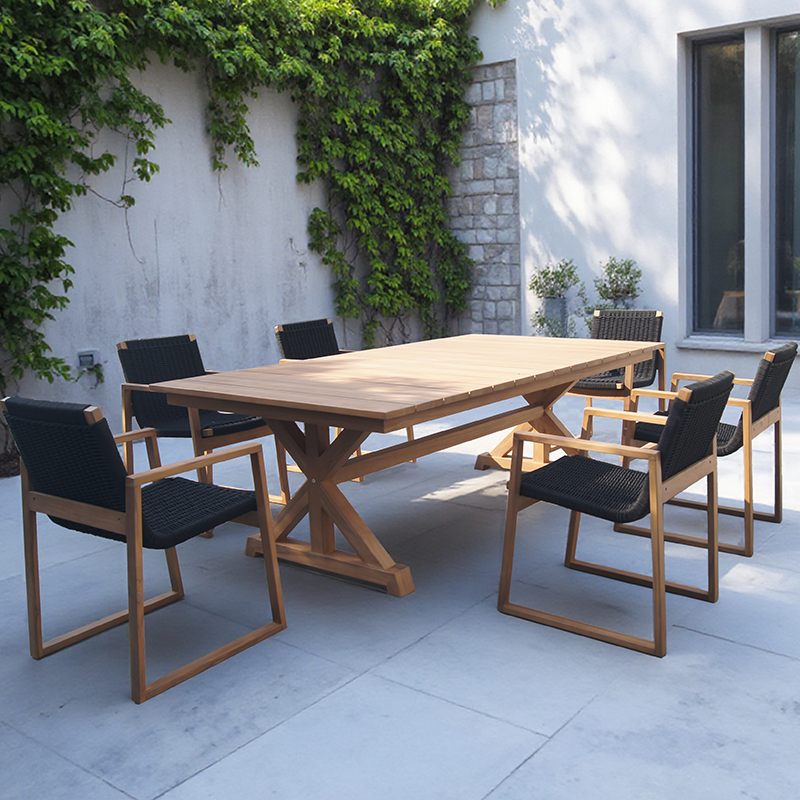
Teak furniture is renowned for its exceptional durability, even in harsh outdoor environments. Properly constructed teak garden furniture can last 50–80 years with minimal care, and some museum pieces exceed a century.
Why teak lasts so long:
Natural oil content (teak oil, actually a rubber-like resin) repels water, fungi, and insects.
Dense grain resists warping, cracking, and rotting.
Silica content makes it hard and wear-resistant.
Real-world lifespans:
Grade A teak (old-growth, heartwood only) – 50+ years outdoors without any finish.
Grade B / plantation teak (younger trees, more sapwood) – 20–30 years if left untreated, 40+ years with periodic cleaning.
Teak with sealants/oils – Note: applying teak oil does not extend life significantly; it only darkens the wood. The grey patina is protective. Sanding removes patina and reduces lifespan.
Maintenance needs:
None required structurally. Wash with soapy water once or twice a year to prevent mold in humid climates.
Avoid pressure washers (erodes soft grain).
Greying is normal and harmless.
Comparing teak to other woods:
| Wood type | Lifespan untreated | Lifespan treated |
|---|---|---|
| Teak | 50–80 years | No improvement needed |
| Eucalyptus | 5–8 years | 10–15 years with annual oiling |
| Acacia | 4–7 years | 8–12 years |
| Cedar | 7–10 years | 12–15 years |
| Pine | 2–4 years | 5–8 years |
Teak is more expensive upfront but cheaper over decades because it never needs replacement or intensive care.
4. Outdoor Stainless Steel Furniture
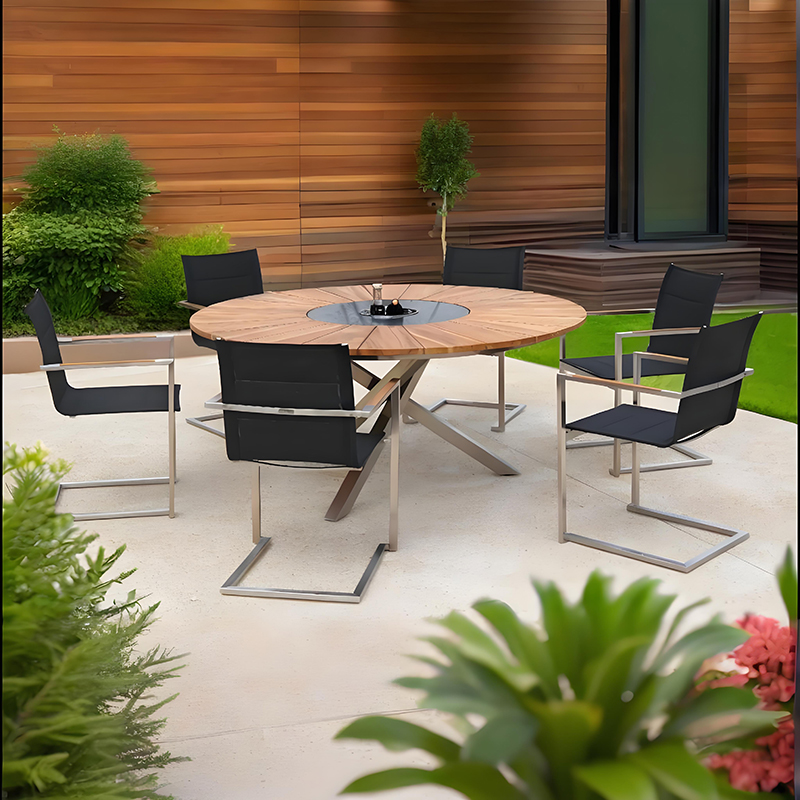
Outdoor stainless steel furniture can last 15–30+ years, but its lifespan hinges critically on the grade of stainless steel and the environment.
Stainless steel grades for outdoor use:
Grade 304 (18/8 chromium-nickel) – Standard “marine-grade” for patios. Lasts 10–20 years inland, 5–10 years near saltwater without rust spots.
Grade 316 (marine grade, added molybdenum) – Lasts 20–30+ years even in coastal salt spray. Preferred for seaside restaurants and yachts.
Grade 430 (chromium only) – Cheap, magnetic, rusts within 1–3 years outdoors. Avoid for garden furniture.
Factors affecting stainless steel longevity:
Salt exposure – Airborne salt breaks down the passive oxide layer. Grade 316 is essential within 1 mile of ocean.
Chlorine – Poolside furniture requires 316; chlorine pitting destroys 304 within 5–7 years.
Cleaning – Dirt and grime trap moisture. Wash with mild detergent quarterly. Never use steel wool or carbon steel brushes (they embed rust particles).
Welds – Poorly finished welds rust first. Look for “pickled and passivated” welds.
Lifespan table for outdoor stainless steel furniture:
| Environment | Grade 304 | Grade 316 |
|---|---|---|
| Dry inland (Arizona) | 20–30+ years | 30+ years |
| Humid inland (Florida woods) | 15–20 years | 25–30 years |
| Coastal non-spray zone (1–3 miles) | 8–12 years | 20–25 years |
| Direct oceanfront / beach | 3–7 years | 15–20 years |
| Poolside (chlorine mist) | 5–10 years | 15–25 years |
Stainless steel furniture can be left outdoors year-round in most climates, but snow and ice do not harm it. However, crevices (joints, under cushions) should be dried to prevent “crevice corrosion.”
5. Comparison Table: Expected Lifespan of Outdoor Furniture Types
| Material | Average lifespan | Max lifespan (ideal care) | Vulnerabilities |
|---|---|---|---|
| Cheap plastic | 1–3 years | 4 years | UV cracking |
| HDPE resin | 10–15 years | 20 years | Scratches, heavy loads |
| Natural wicker | 2–4 years | 5 years (covered) | Moisture, mold |
| Synthetic wicker | 5–12 years | 15 years | UV fading, weave loosening |
| Aluminum (powder-coated) | 10–20 years | 25+ years | Coating chips → corrosion |
| Wrought iron (painted) | 15–25 years | 30+ years (dry climate) | Rust, heavy |
| Cedar/Redwood | 7–10 years | 15 years (annual sealing) | Rot, insect attack |
| Teak | 50–80 years | 100+ years (Grade A) | None significant |
| Stainless steel 304 | 10–20 years | 25 years (inland) | Salt, chlorides |
| Stainless steel 316 | 20–30+ years | 40+ years (inland) | Chlorine pitting (rare) |
6. Climate Factors That Shorten Lifespan
Coastal salt spray – Cuts lifespan of most metals by 50–70%. Use teak or 316 stainless.
High humidity + rain – Promotes wood rot and mold. Teak excels here; paint/seal other woods.
High UV + heat (desert) – Degrades plastics, resins, and wood finishes. Use aluminum or stainless steel (avoid dark colors that get hot).
Freeze-thaw cycles – Cracks wood and concrete, loosens joints. Store furniture or use covered storage.
7. Prolonging the Life of Outdoor and Garden Furniture
Cover or store during winter and heavy rain seasons. Breathable covers prevent trapped moisture.
Clean regularly – Dirt holds moisture and supports fungal growth. Use mild soap, soft brush.
Tighten joints – Loose screws and bolts create wobble and stress cracks.
Reapply protective coatings – For painted metals and non-teak woods only. Never paint or oil teak if you want maximum longevity (teak’s natural oils are superior).
Elevate off ground – Especially for garden furniture on soil. Use feet, bricks, or patio stones.
Avoid abrasive cleaners – They scratch stainless steel and remove protective oxide layers.
Conclusion
The lifespan of outdoor furniture ranges from just 1–2 years for cheap plastic to over a century for premium teak furniture. Garden furniture tends to wear faster due to ground moisture and sprinklers. Teak furniture is the undisputed longevity champion, easily outlasting generations with zero structural maintenance. Outdoor stainless steel furniture offers modern aesthetics and very long life, especially if you choose Grade 316 for coastal or poolside use. For most homeowners, teak provides the best long-term value (cost per year of use), while Grade 316 stainless steel is ideal for minimalist, low-maintenance settings. Always match your material to your local climate and your willingness to perform periodic care.
