

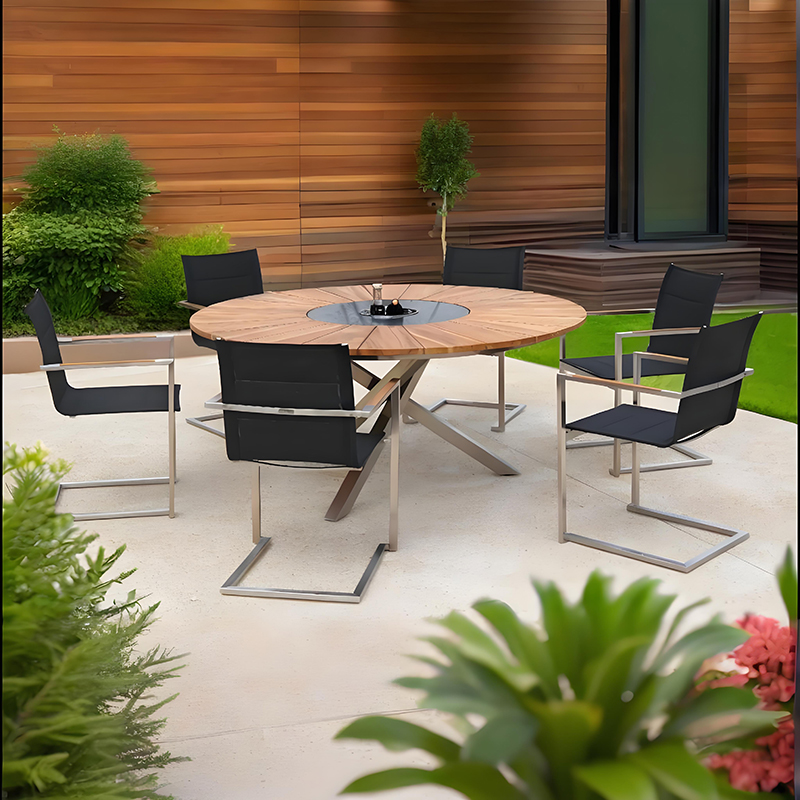
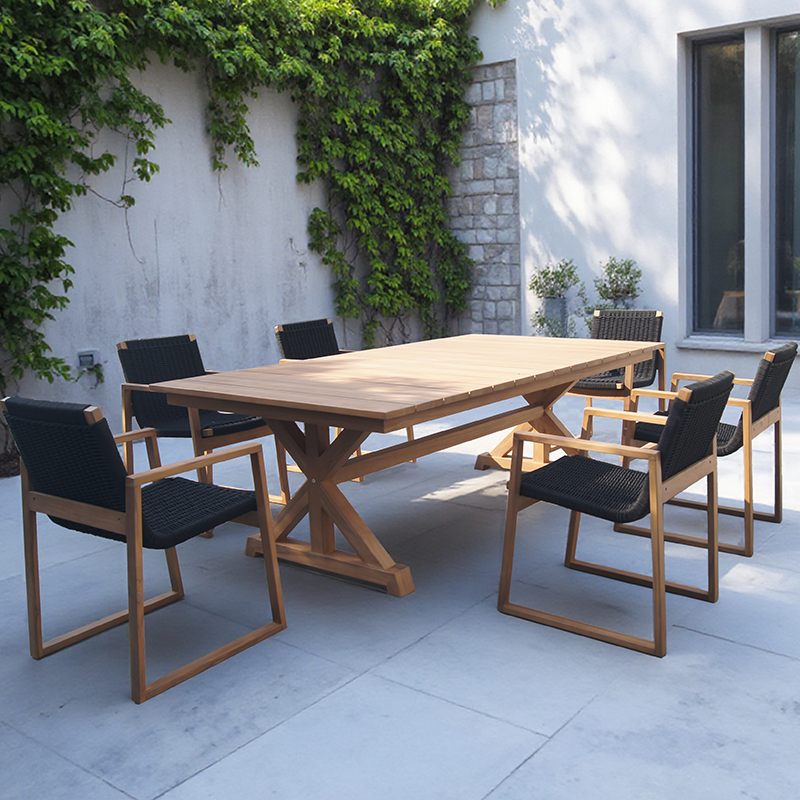
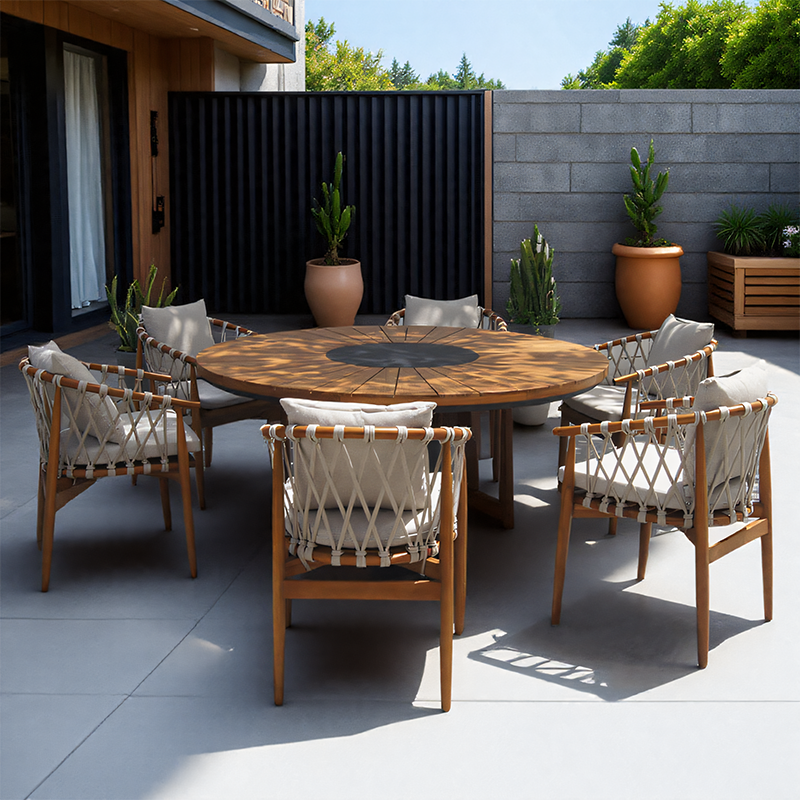
Teak Wood: The Unrivaled Choice for Premium Outdoor Furniture
In the realm of outdoor living, where outdoor furniture is perpetually exposed to the elements, selecting the right material is not merely a matter of aesthetics, but one of longevity, sustainability, and enduring value. Among the plethora of options, one material stands supreme, having graced the decks of seafaring vessels and the verandas of tropical estates for centuries: Teak (Tectona grandis). Its reputation as the "King of Woods" for outdoor furniture application is not hyperbole but a testament to its unparalleled natural properties. For the discerning homeowner, designer, or architect seeking to create an outdoor sanctuary that transcends trends and withstands time, teak outdoor furniture presents a compelling, indeed unmatched, array of advantages.
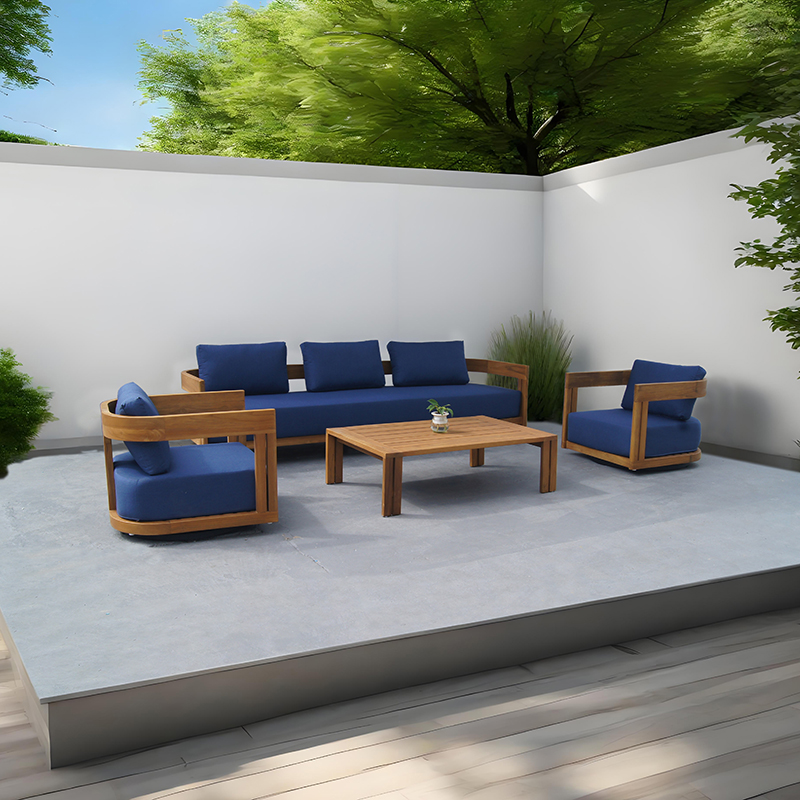
1. Inherent Natural Durability and Weather Resistance
This is the cornerstone of teak’s legendary status. Unlike most woods that require intensive chemical treatments to survive outdoors, teak furniture comes naturally equipped for the challenge.
Natural Oils and Rubber: Teak’s heartwood is densely packed with natural oils and a mild rubber-like substance. These components act as a built-in preservative system, creating a moisture-repellent barrier. This inherent hydrophobicity prevents water absorption, which is the primary cause of warping, cracking, and rot in outdoor woods. Rain beads up and rolls off its surface, and it thrives in humid climates.
High Silica Content: The wood contains a high level of natural silica. This mineral gives teak furniture its notable strength and hardness (rated between 1,070 and 1,320 on the Janka scale) and acts as a potent deterrent to insects, termites, and fungal decay. It is this combination of oils and silica that allowed teak to be the preferred material for shipbuilding in bygone eras.
Result: Teak furniture requires no chemical sealants or varnishes to protect its core integrity. It can brave scorching sun, torrential rains, frost, and salty coastal air with remarkable resilience, often lasting for decades, even generations, with minimal care.
2. Dimensional Stability: Resistance to Warping and Splitting
A common frustration with outdoor furniture is seeing once-straight table legs warp or wide planks develop unsightly cracks. Teak outdoor furniture excels in dimensional stability due to its tight grain structure and the aforementioned natural oils. It has a very low coefficient of expansion and contraction compared to woods like oak or pine. This means it undergoes minimal swelling in wet conditions and minimal shrinking in dry heat, maintaining its structural integrity and joinery over years of seasonal cycles. This stability ensures that drawers continue to slide smoothly, doors align perfectly, and surfaces remain level.
3. The Graceful Aging Process: Patina as a Feature
While some materials degrade visually, teak furniture transforms beautifully. This is one of its most cherished qualities.
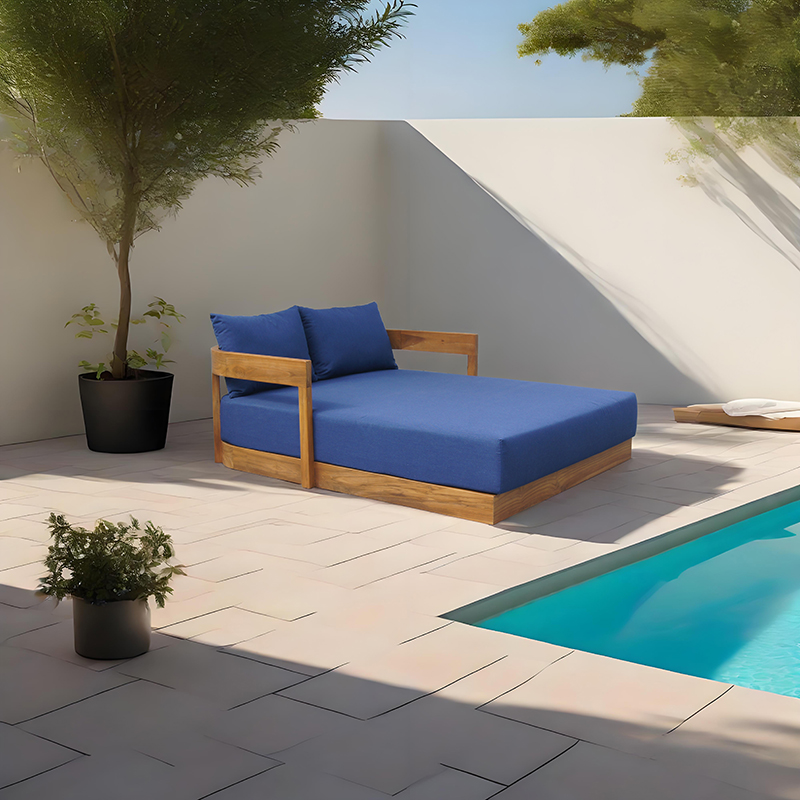
Initial Color: New, unfinished teak boasts a rich, warm golden honey hue that instantly radiates luxury and warmth.
Natural Patina Development: When left untreated and exposed to sunlight, air, and moisture, teak furniture undergoes a natural oxidation process. Over several months, the vibrant golden brown gradually mellows into an elegant, uniform silvery-gray patina. This weathered look is highly sought-after, evoking a sense of timelessness, maturity, and a harmonious blend with the natural environment.
Controlled Aesthetics: For those who prefer to maintain the original golden color, the application of a high-quality teak sealer (not a varnish, which can peel) on a semi-annual or annual basis can significantly slow this graying process. Conversely, if the silver patina is desired but a more even, accelerated fade is preferred, teak brighteners can be used to clean and unify the color.
Key Point: The development of patina is a surface-level change only. Beneath the silvery sheen, the teak furniture wood remains as strong, durable, and water-resistant as ever. This eliminates the need for the constant sanding and re-finishing required by painted or varnished woods.
4. Exceptional Strength-to-Weight Ratio and Practical Comfort
Teak is an immensely strong and dense hardwood, which translates into furniture that is solid, sturdy, and capable of withstanding heavy use without wobbling or weakening. Despite its strength, it is not excessively heavy, allowing for manageable rearrangement of seating groups.
Furthermore, its dense, close-grained surface offers unique practical comfort:
Thermal Properties: teak outdoor furniture does not become excessively hot to the touch under direct summer sun, unlike metals or synthetic wickers, nor does it become uncomfortably cold in cooler weather.
Tactile Sensation: When properly sanded, it offers a smooth, splinter-free surface that is pleasant against the skin.
Safety: teak outdoor furniture natural slip-resistance, even when wet, is a significant safety advantage for poolside or deck settings.
5. Low Maintenance Requirements
The maintenance narrative for teak furniture is often misunderstood. It is not "no-maintenance," but rather "low and simple maintenance."
For the Natural Silver Patina: If you embrace the gray, maintenance is minimal. An annual wash with a mild soap solution and a soft brush to remove dirt, mildew, or pollen is typically all that’s needed to keep it looking tidy.
For the Golden Hue: If you wish to preserve the original color, you will need to clean and apply a teak protector/sealer once or twice a year. This is far less labor-intensive than the stripping, sanding, and re-painting required for other materials.
Stain Removal: Common spills like wine or oil are easily addressed with a gentle cleaning, as they are unlikely to penetrate the oily surface.
6. Sustainability and Long-Term Value (When Sourced Responsibly)
The environmental impact of teak furniture is a critical consideration. The source is everything.
Plantation-Grown Teak: The gold standard for responsible sourcing is FSC-certified (Forest Stewardship Council) plantation teak. These plantations, primarily in Southeast Asia and Latin America, are managed sustainably for long-term yield, reducing pressure on old-growth forests. They ensure reforestation, protect ecosystems, and provide fair labor practices.
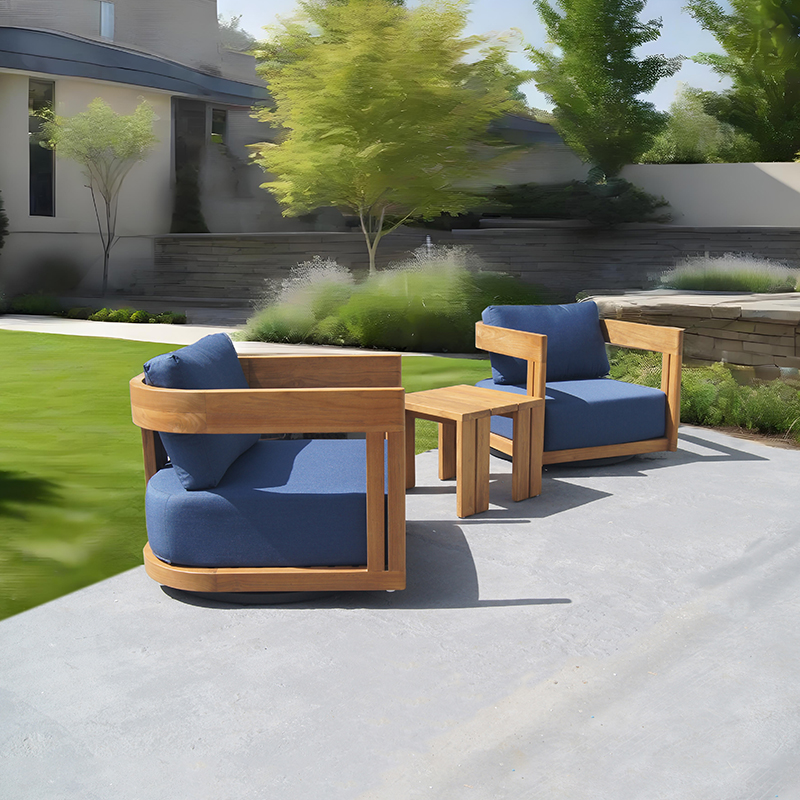
An Heirloom Investment: The initial cost of quality teak furniture is higher than that of many alternatives. However, this should be viewed as a long-term investment. Its exceptional durability means it won’t need replacing every 5-10 years. A well-made teak bench or dining set can last for 30, 50, or even more years, often becoming a cherished heirloom. Its timeless design and enduring strength ensure it never goes out of style, offering unparalleled cost-per-year value.
Conclusion: The Epitome of Intelligent Outdoor Design
Choosing teak for outdoor furniture is a decision that marries profound practicality with understated elegance. It is a material that performs relentlessly, asking for little in return, while aging with a grace that tells the story of seasons passed. It transforms an outdoor space from a temporary setup into a permanent, lived-in extension of the home—a place for gatherings, solitude, and the creation of lasting memories.
In a world of disposable goods, teak stands as a testament to longevity, natural intelligence, and sustainable luxury. It is not merely a purchase; it is the foundation upon which decades of outdoor furniture living are gracefully built. For those who value quality, aesthetics, and legacy, the choice is unequivocal.
